What protection are you planning on the finished floor?
No votes yet. Yours will be the first. · saved on this device
Loading...
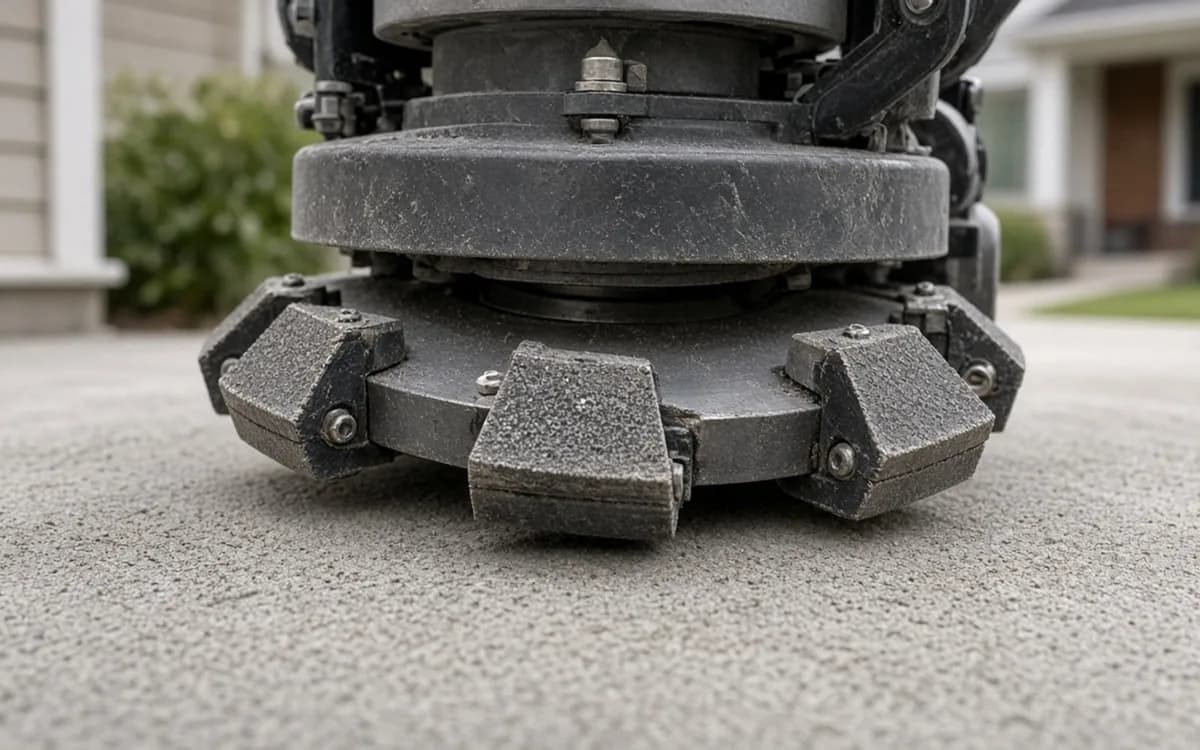
Concrete Finish Notes · Grind and seal vs Full polish
Grind and seal smooths the slab with a few passes and relies on a sealer for sheen and protection, so it costs less up front but needs recoating. A full polish refines and densifies the concrete itself to a measured sheen, costing more once and little afterward. Grind and seal suits utility spaces and tight budgets; polish suits floors you will keep for decades.
Both options start the same way: grinding removes old coverings, adhesive and surface defects. The difference is where they stop. A grind-and-seal job ends after a few passes and adds a sealer, which gives the floor its sheen. A full polish keeps going through finer grits, densifies the concrete, and gets its sheen from the refined surface. The finished floors can look similar on day one and very different after a few years.
This page covers where each approach fits, what each costs over time, how moisture and climate matter, resale considerations, typical mistakes, and how to compare bids that often use overlapping terms. Because both begin with grinding, the choice can often wait until the first passes reveal what the slab looks like.
Grind-and-seal takes the slab through the coarse passes, then applies a sealer for protection and sheen; a full polish continues through fine passes with a densifier so the sheen is the concrete itself. Grind-and-seal is cheaper and faster but relies on a film that wears; polish costs more and lasts longer.
| Factor | Grind and seal | Full polish |
|---|---|---|
| Upfront cost | Grinding passes plus $1–$3 per sq ft seal (HomeGuide 2025) | $3–$12 per sq ft (Angi 2026) |
| Lifespan | Sealer renewed every 1–3 years (acrylic) or 5–10 (urethane) | 20+ years; repolish to refresh |
| Maintenance | Wear paths in the film; recoat | Dust mop; guard every 2–5 years |
| Appearance | Sheen from the sealer; can look wet or plastic | Sheen from the concrete; CPC Level 1–4 |
| Moisture fit | Film sealers fail over damp slabs; penetrating ones tolerate it | No film; tolerates vapor from below |
| Install time | 1–2 days plus sealer dry time | 2–4 days (HomeGuide); walkable same day |
| Best for | Utility basements, rental units, budgets, uneven slabs | Living areas, finished basements, floors kept for decades |
Grind-and-seal wins on budget, speed and forgiving slabs. An unfinished basement, which EIA reports as 41.1% of basement homes, becomes a clean, dust-free floor for the grinding passes plus HomeGuide's $1–$3 per sq ft seal. Use a penetrating sealer if the slab is damp and accept that a film sealer will need renewing.
A full polish wins wherever the floor will be lived on and kept. The extra passes and densifier buy a surface with no film to wear, scratch or peel, and the maintenance comparisons on the polishing page show the cost recovered over time. It loses on soft slabs that will not take a polish and on budgets that cannot absorb the extra passes.
Grind and seal fits utility basements, laundry and storage rooms, workshops and rental units where cost matters more than the finish lasting decades. It also suits slabs that are too uneven or soft for an even polish; a sealer can deliver a uniform sheen on a surface that would polish patchily. Owners who want a quick refresh before selling sometimes choose it too. It can also be a practical holding finish while you save for a full polish.
A full polish fits finished basements, main living areas, kitchens and garages that will stay in use for years. It rewards a sound slab with a surface that improves with light maintenance rather than wearing through. The grinding service and polishing service pages explain the work in each path. It is the better value wherever the floor will stay uncovered for many years. Ask for a mock-up if the slab is borderline.
Grind and seal starts lower. Stelr's 2026 guide, a contractor source, prices the whole job at $2–$5 per sq ft, against $3 to $8 for its cheapest cream polish. The sealer alone is what HomeGuide prices at $1–$3 per sq ft for cleaning and sealing, with urethane or polyaspartic options up to three times higher. A full polish sits at $3–$12 per sq ft in Angi's 2026 guide, and its flooring guide prices a matte finish at $2–$6/square foot against $8–$15/square foot for high gloss, so a satin polish narrows the gap. On a basement of several hundred square feet, the up-front difference can be a few thousand dollars. The total depends heavily on how much removal the slab needs before either finish.
Over ten years, the gap narrows. Acrylic sealers typically need recoating every few years in living areas, and each recoat involves cleaning, possibly a light abrasion and the sealer itself. Urethane lasts longer but still wears in traffic paths. A polished floor needs a guard renewed at HomeGuide's $1–$3 every 2–5 yrs, which costs less than a full reseal. Heavier traffic tips the balance further toward polish. Count those recoats honestly when comparing the two bids.
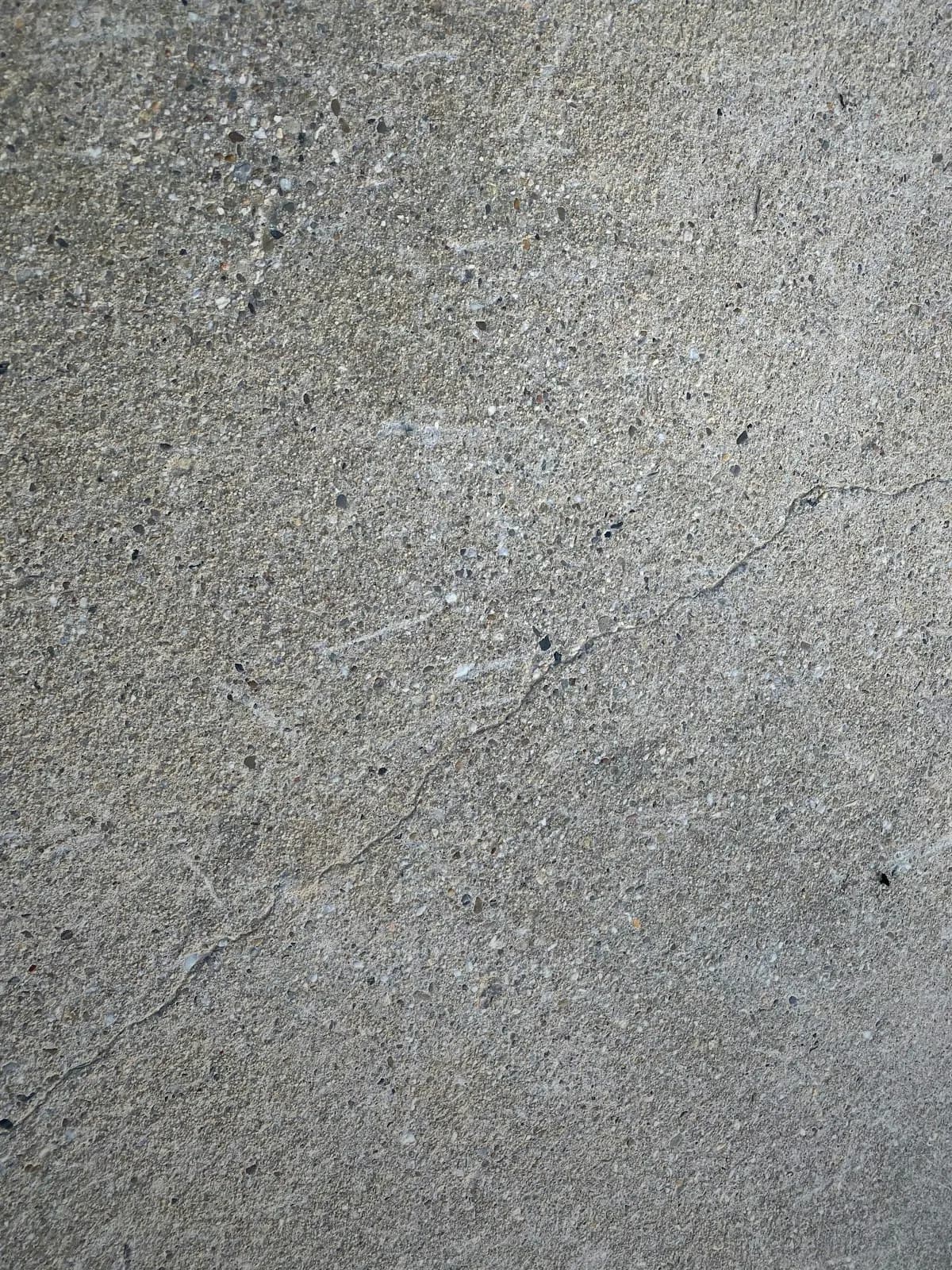
Film sealers trap moisture moving up through the slab. In basements, in humid regions and over slabs without a vapor barrier, that can cause whitening, cloudiness or peeling. Penetrating sealers avoid most of the problem but give less sheen. A full polish has no film, so vapor passes harmlessly, which is one reason polishing is popular in basements. A moisture test before choosing a sealer is cheap insurance. Where moisture is borderline, a penetrating sealer or a full polish removes the risk of a film lifting and the cost of stripping it later.
In cold climates, salt and meltwater tracked into garages attack sealers at their weakest points and can etch unprotected polished floors. Either approach benefits from a guard or sealer appropriate to salt exposure and from mats at the door. In hot climates, direct sun on film sealers can cause yellowing over time; ask about UV-stable products if the floor gets strong light. Garage floors show this first, usually at the apron and in the tire lanes.
A freshly sealed floor looks clean and even. After a few years, traffic lanes, chair paths and scuffed edges show the sealer wearing, and the floor can look patchy until it is recoated. A polished floor tends to age more evenly, and a clean and burnish before listing brings back most of its original look. That difference grows with every year of traffic. Recoating before listing restores it, at the price of another round of preparation.
No resale study compares the two, so avoid assuming either adds a specific amount of value. Condition at listing matters most. If the floor will be kept for many years, polish usually reaches that date in better shape. If the house will be sold soon, a fresh grind and seal can look perfectly good for photographs. Either way, fresh protection before photos helps.
Angi's concrete flooring guide prices simple designs at $2–$6/square foot, and grind and seal is a legitimate budget choice when it is named as such. The main mistake is thinking a grind-and-seal is a cheaper polish. It is a different finish whose sheen comes from a film. Another is sealing over a damp slab without testing, which leads to whitening. A third is accepting a 'polish' that is actually a few grinding passes and a glossy sealer; the Concrete Polishing Council's appearance levels are measured on the concrete, not on a topical coat. Ask any bidder to state where the sheen will come from.
On the polish side, the mistake is paying for a high level on a slab that cannot reach it evenly, when a well-done grind and seal would have looked better. A mock-up answers that question. So does an honest assessment of the slab's hardness and patching before any bid is signed. Paying for fewer, better-chosen passes usually beats paying for more.
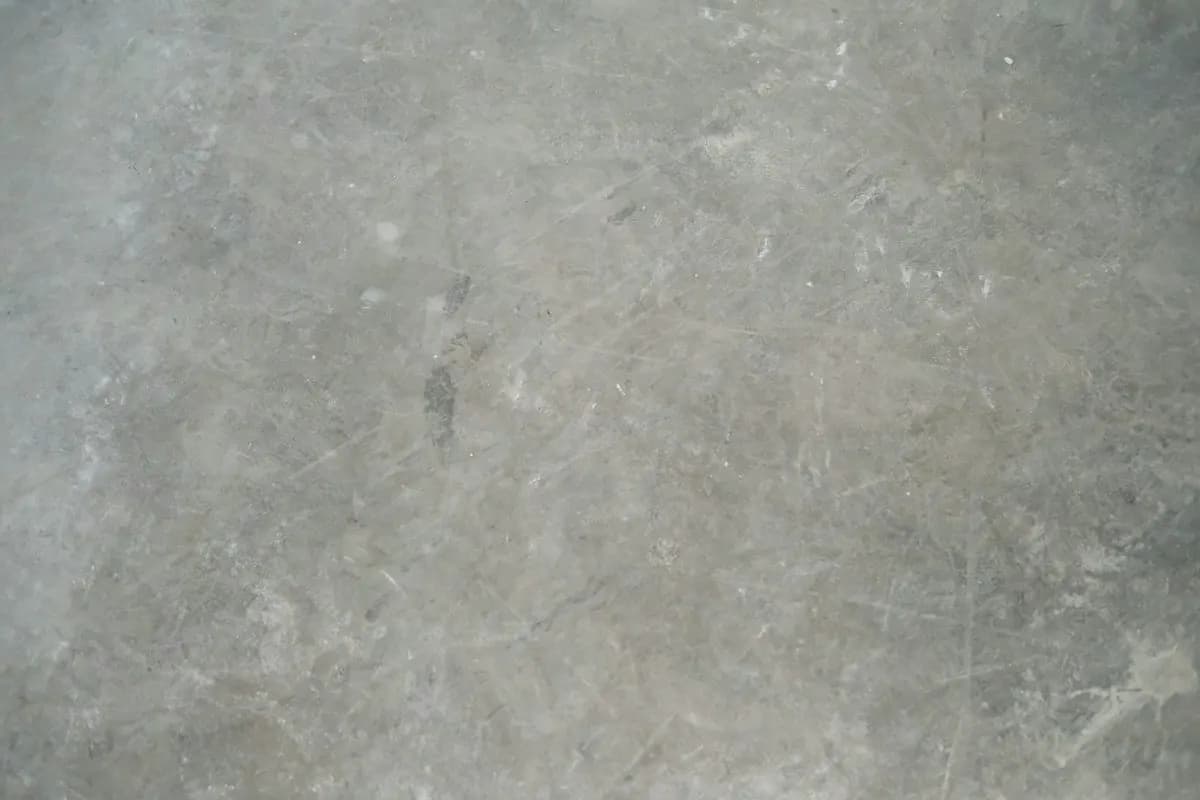
Our analysis of the federal government's 2024 household survey shows 29.5% of homes sit over a basement and 41.1% of basement homes report an unfinished basement, and many of those owners want a better floor now without committing to a full renovation. Grind and seal is a sensible interim step: it removes paint and adhesive, cuts dust and makes the space cleaner, at a cost that does not feel wasted if walls and flooring go in later.
If the basement will become living space and the slab is sound, polishing first can make sense, because it is easier to grind before walls, stairs and built-ins are added. Grinders can reach the whole slab, edges are fewer, and the finished floor becomes part of the renovation plan rather than an afterthought. The 2026 cost guide shows how size and access affect either option.
Whichever you choose, test moisture first. A film sealer over a damp basement slab will whiten and peel, while a polished or penetrating finish lets vapor pass. If dampness is serious, fix drainage and grading outside before spending on any floor finish, since no sealer or polish solves water coming through the slab.
For grind and seal, the bid should state grinding passes and grits, surface profile, sealer product and type, number of coats, dry and cure times, and recoat interval. For a full polish, it should state full grit sequence, densifier, CPC appearance level, guard and readings. Both should cover crack and joint treatment and removal of existing coverings. Missing items are easier to spot when both bids follow the same checklist.
Put the recurring costs next to the up-front totals so you are comparing ten-year budgets. The sealing cost page and the calculator help frame both sides. If the slab could go either way, ask for a small area of each on your floor and live with them for a week. The option that looks cheaper on day one is not always cheaper in year ten.
Homeowner polls
No votes yet. Yours will be the first. · saved on this device
HomeAdvisor's typical polished concrete project is $4,500 within a $1,000–$8,000 range.
No votes yet. Yours will be the first. · saved on this device
Yes, if a penetrating sealer was used, since it does not block grinding. If a film sealer was applied, it must be ground off first, which adds a pass or two. Tell the pro at the grind-and-seal stage that polishing is possible later so they choose a penetrating product and grind to a suitable exposure.
No. A cream polish is a full polish with minimal aggregate exposure, Class A on the CPC chart, taken through fine passes with densifier. Grind-and-seal stops at coarse or medium grits and relies on a sealer for sheen. They can look similar on day one; a year later the sealed floor shows wear paths and the polished one does not.
Yes, and it often should be. Densifying after grinding hardens the surface and reduces dusting before the sealer goes on. Some sealers are compatible with densified concrete and some are not, so the contractor should confirm the combination. Densifying improves durability even though the sheen still comes from the sealer.
Usually less time on site because there are fewer passes, often a day or two for a typical room plus sealer drying. A polish takes two to four days for most residential floors per HomeGuide. Sealers may keep the room out of use longer while they cure, so total downtime can be similar.
Grind and seal is often the practical choice for a rental, especially with a penetrating or urethane sealer that tolerates traffic. It keeps costs down and can be refreshed between tenants. If the unit will be rented for many years and the slab is sound, a satin polish may cost less overall.
Glossy film sealers can be slippery when wet, particularly outdoors or at entries. Many products accept an anti-slip additive mixed into the final coat. Ask for it in wet areas. Polished floors face the same issue at high gloss, and ANSI A326.3's wet DCOF threshold applies to both.
Many owners do, especially with penetrating sealers. The risk is poor application or an incompatible product, which can leave streaks or a film that peels. If you go this route, get the grinding contractor to confirm the profile and product, and follow the data sheet's coverage, dry time and ventilation guidance.
 ComparisonPolished concrete vs Epoxy coating
Choose polished concrete when the slab is sound, reasonably clean and you are happy to see its character; it lasts decades and needs little upkeep.
 ComparisonAcid stain vs Concrete dye
Acid stain reacts chemically with the slab to create permanent, mottled earth tones and usually needs a sealer.
 ComparisonHoned / satin (CPC Level 2) vs High gloss (CPC Level 4)
Honed or satin finishes (CPC Level 2) cost less, hide dust and scuffs, and generally perform better underfoot when wet, which suits most homes.
 ComparisonMudjacking vs Polyurethane foam jacking
Mudjacking pumps a cement slurry under a sunken slab through larger holes; it costs less per square foot but adds weight and leaves bigger patches.
 Service guideConcrete Polishing
Concrete polishing grinds an existing slab with progressively finer diamond abrasives, hardens it with a densifier and refines it to a specified sheen and aggregate exposure.
 Service guideConcrete Staining & Dyeing
Staining and dyeing add color to a concrete slab by penetrating the surface rather than covering it, so the aggregate, patches and variation remain part of the look.
 Service guideConcrete Grinding & Leveling
Grinding uses coarse diamond tooling to remove coatings, adhesives, lips and high spots and to open a surface profile for whatever finish follows.
 Service guideConcrete Sealing & Protection
Sealing and protection treatments defend a concrete floor against stains, moisture and wear, and they range from penetrating silicates and siloxanes that leave the look unchanged to film-forming acrylics, urethanes and epoxies that add gloss and a wear layer.
 Free toolPolished concrete cost calculator: a planning range for your square footage
Size, material tier and complexity in, a realistic budget range out.
 Free toolConcrete finish quiz: can you read a polishing proposal?
9 questions that show what you already know and what to check next.
 Free toolPolls: what other homeowners planning concrete floors decided
See what other planners chose and add your vote.
Tell us the size, the condition of what is there now, and what you want to change. Concrete Finish Notes passes your request to independent local professionals, who reply with written, no-obligation estimates. The service is free to use.