Was a sample area on your own slab offered before the full job?
The CPC exposure chart recommends a mock-up on the actual slab.
No votes yet. Yours will be the first. · saved on this device
Loading...
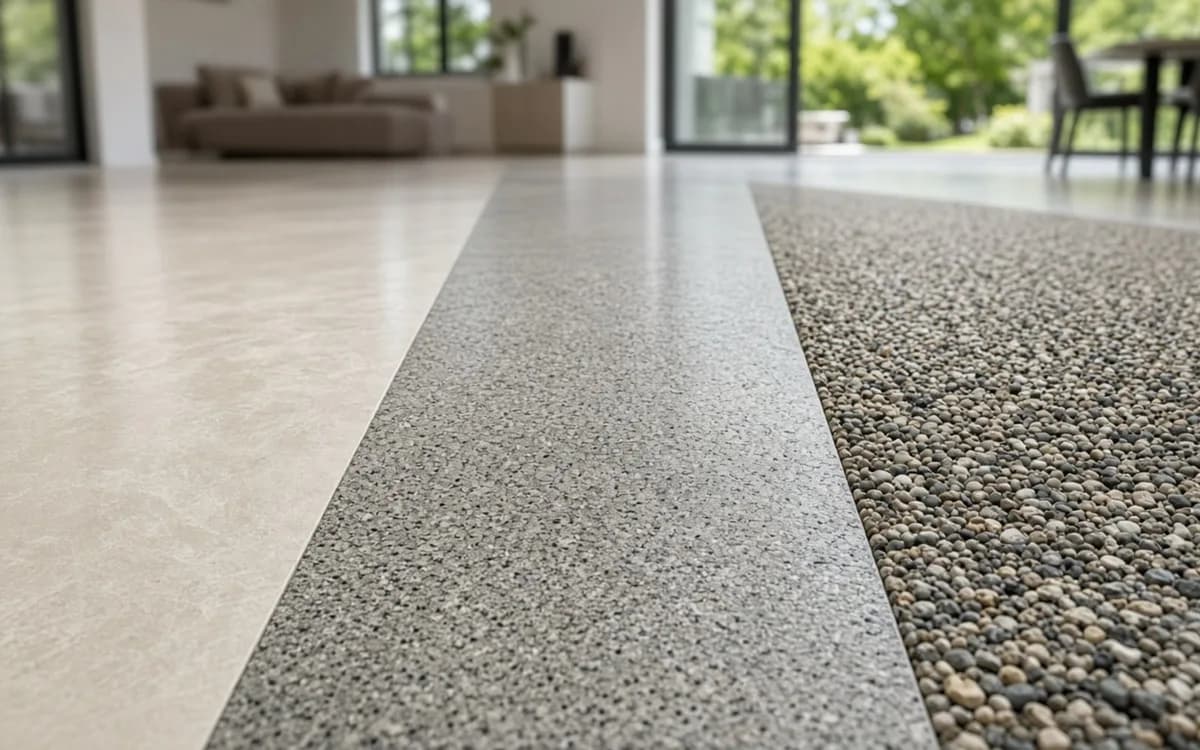
Concrete Finish Notes · Glossary
This glossary defines the terms contractors use in concrete polishing, staining, grinding and sealing proposals: appearance levels, DOI, exposure classes, densifiers, guards, surface profiles, DCOF and more. Knowing them lets you check that a bid specifies a measurable result, spot terms that are being used loosely, and ask the questions that separate a complete proposal from a vague one.
Concrete floor proposals mix trade jargon, product names and standards references. Some terms are precise and measurable; others are marketing language. The definitions below cover the ones that matter most for a homeowner, and the sections explain how to use them when reading a bid, which ones are commonly confused, and what questions each term should prompt.
The definitions draw on the Concrete Polishing Council's appearance and exposure charts, ICRI's surface profile guideline, ANSI A326.3 and manufacturers' data sheets. They are simplified for homeowners rather than specifiers. Where a term is tied to a measurement, such as DOI, gloss or DCOF, the definition notes the standard so you can ask for readings rather than impressions.
Look for measurable terms. A proposal that names a CPC appearance level, an exposure class and a densifier product gives you something to check. One that promises a 'high shine' or 'beautiful finish' does not. Publishers price by the same vocabulary: Angi's July 2026 guide lists matte at $2–$6/square foot and high gloss at $8–$15/square foot. The Concrete Polishing Council defines appearance by DOI from DOI 0–9 to 70+ and exposure classes at 85–95% / 80–90%, so these terms can be verified at the end.
Also check that the terms fit the job. A coating bid should specify a surface profile on ICRI's CSP 1–10 scale. A polishing bid should not need one. A sealing bid should say whether the product is penetrating or film-forming. Mismatched terms may signal a contractor more used to a different kind of work. Likewise, a stain proposal should say whether the color is a reactive acid stain or a pigment dye, because protection and upkeep differ.
Densifier and sealer are the classic pair. A densifier hardens the concrete from within and forms no film; a sealer protects the surface, often with a film. A guard is a penetrating protective treatment, closer to a sealer in purpose but without the film. Polished floors use densifier and often a guard; stained floors usually use a sealer. A proposal that uses these words interchangeably deserves a follow-up question.
Stain and dye are another pair. Acid stain reacts chemically; dye is pigment. Honed and satin often mean the same appearance level. Grinding and polishing describe stages of one process, coarse to fine. Mock-up and sample board are different: a mock-up is on your slab, a sample board is not. The stain versus dye page expands on one of these.
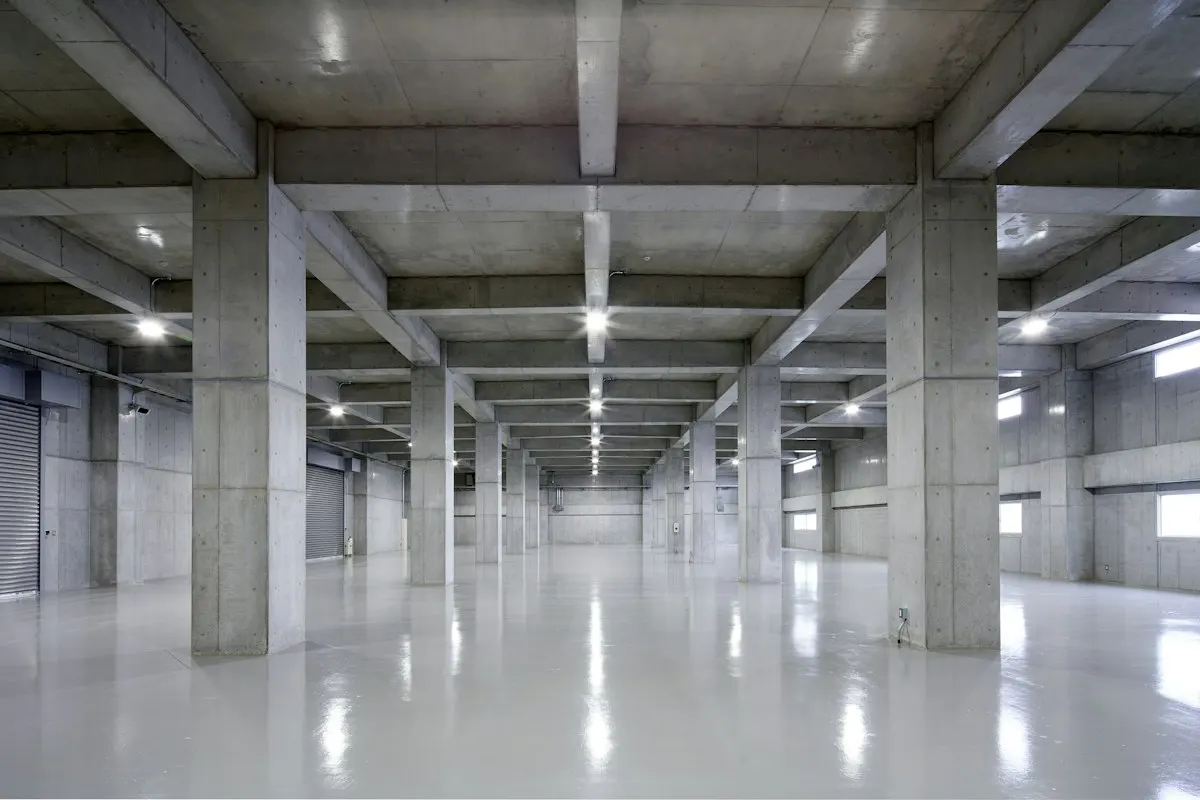
Each term suggests a question. Appearance level: which level, and will you take readings? The CPC calls for 3 tests per 1,000 sq ft. Exposure class: which class, and what will it reveal on my slab? Densifier: which product and at which step? Guard: which product and how often will it need renewing? Each answer should appear in writing, not only in conversation.
Wet DCOF: will you test wet slip resistance after the work, against ANSI A326.3's 0.42 wet DCOF? Surface profile: which CSP will you deliver for the coating? Mock-up: where will it be, and will it be the reference for approval? These questions turn vocabulary into accountability. Contractors who answer them easily usually already build them into their proposals.
Garage and basement floors raise a few terms more often than living areas, and both are common: our analysis of the federal government's 2024 household survey found 42.9% of homes have an attached garage and 29.5% sit over a basement. Wet DCOF matters at garage entries where rain and melted snow collect. Stain guard matters wherever oil and salt land. Surface profile comes up if a coating is being considered instead of a polish. In basements, moisture testing appears in almost every proposal, and densifier is what stops a basement slab from dusting. The sealing and protection service explains these in practical terms.
The terms appear throughout the service pages, the materials guide and the comparison pages. The finish quiz tests several of them. If a term in a proposal is not listed here, ask the contractor to define it in writing, and check whether it refers to a measurable standard or a product brand. Contractors sometimes coin their own system names; those are brand language, not standards, and should be translated into the terms above.
When you are ready, the estimate request form lets you specify your preferences using these terms so bids come back comparable. Using the vocabulary is not about sounding expert; it is about making sure every contractor is pricing the same floor. The calculator uses the same terms for its sheen and exposure options, so you can move from definitions to a cost range.
Homeowner polls
The CPC exposure chart recommends a mock-up on the actual slab.
No votes yet. Yours will be the first. · saved on this device
CPC defines the levels by Distinctness of Image; HomeGuide prices matte at $3–$6 and high gloss at $6–$15 per sq ft.
No votes yet. Yours will be the first. · saved on this device
No, but using a few of them makes bids easier to compare. Naming a CPC appearance level and exposure class, and asking for a mock-up, covers the most important points. If you are unsure, describe what you want in plain language and ask each contractor to translate it into specific terms in the proposal.
Not every one. The Concrete Polishing Council is part of ASCC, which Concrete Decor reports has about 750 member companies. Many polishing specialists use its terms, but some general contractors do not. If a contractor is unfamiliar with them, ask how they would describe and measure the finish you want.
Distinctness of Image is how sharply a floor reflects an image, like reading a sign in its reflection. Low DOI is a soft blur; high DOI is a crisp mirror. It is measured with a meter, which makes it a more objective target than gloss alone.
Not quite. A guard penetrates and resists stains without forming a visible film; many sealers form a film. Guards are typical on polished floors; film sealers are typical on stained or ground-only floors. Some products blur the line, so check the data sheet.
It mostly does not. Surface profile matters for coatings and overlays that need texture to bond. Polishing aims for the opposite: a smooth, refined surface. If a polishing proposal talks about CSP, ask why; it may involve an overlay or coating step.
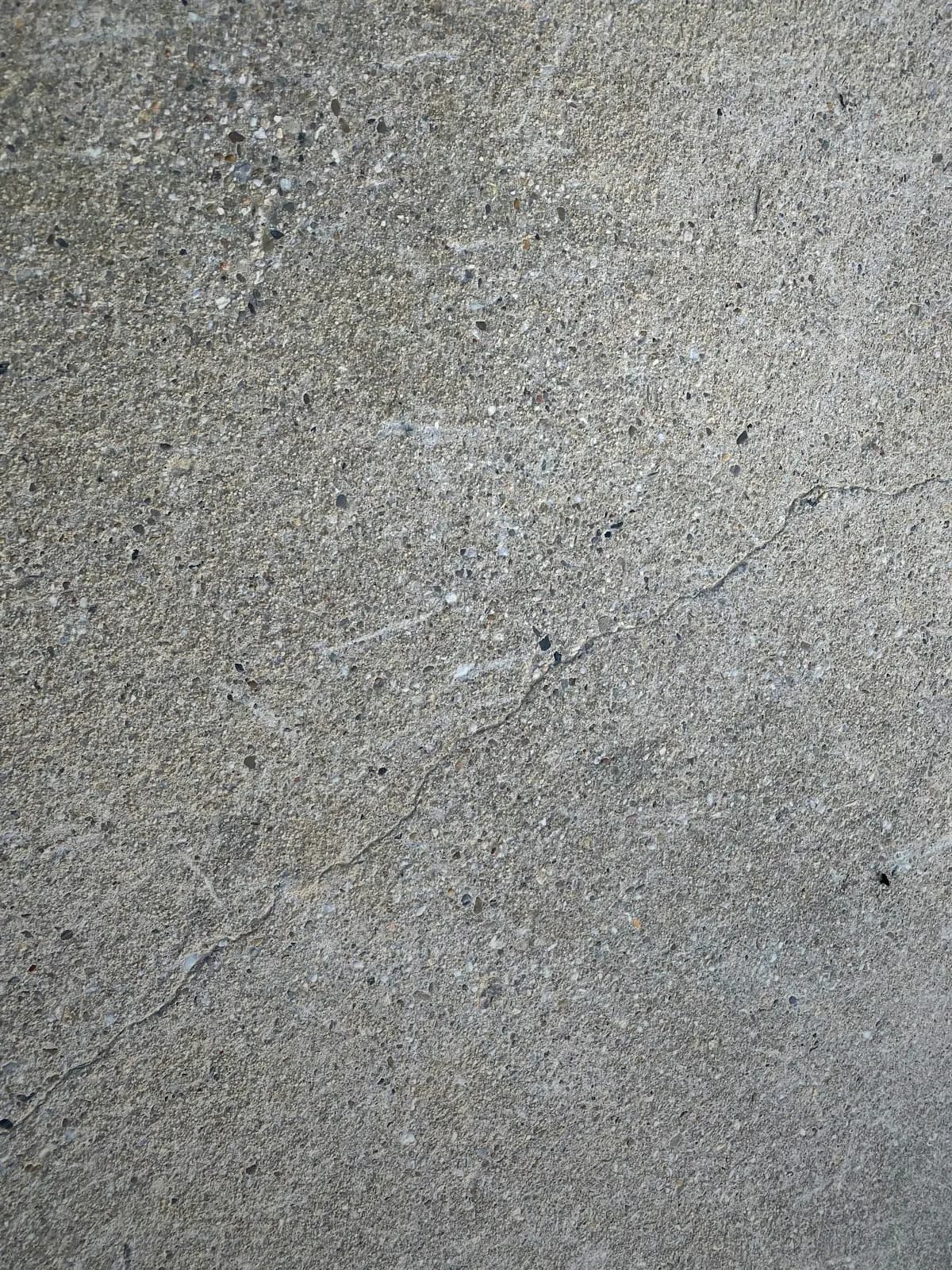
It tells you how much of the slab's stone will show. Class A is mostly cement paste, Class B shows fine sand and small stones, and Class C exposes larger aggregate. The deeper the class, the more grinding and the more the slab's hidden voids and uneven stone appear. A mock-up at the chosen class shows your slab's version of it.
The service pages and guides explain terms in context. The CPC, ICRI and ANSI publish their standards, and product manufacturers publish data sheets. If a term is specific to one contractor's system, ask them for written documentation. Keep a copy of any definitions a contractor gives you with your contract.
 Service guideConcrete Polishing
Concrete polishing grinds an existing slab with progressively finer diamond abrasives, hardens it with a densifier and refines it to a specified sheen and aggregate exposure.
 Service guideConcrete Staining & Dyeing
Staining and dyeing add color to a concrete slab by penetrating the surface rather than covering it, so the aggregate, patches and variation remain part of the look.
 Service guideConcrete Grinding & Leveling
Grinding uses coarse diamond tooling to remove coatings, adhesives, lips and high spots and to open a surface profile for whatever finish follows.
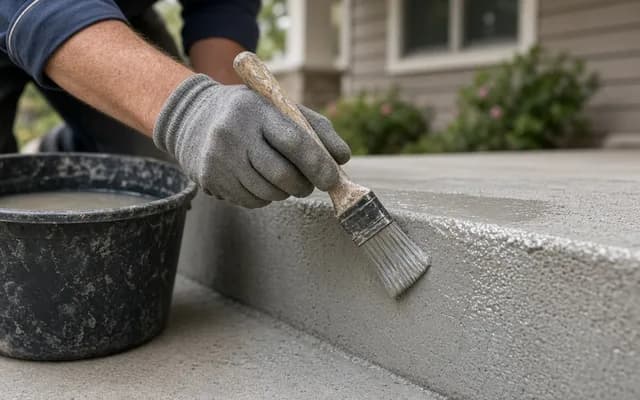 Service guideConcrete Sealing & Protection
Sealing and protection treatments defend a concrete floor against stains, moisture and wear, and they range from penetrating silicates and siloxanes that leave the look unchanged to film-forming acrylics, urethanes and epoxies that add gloss and a wear layer.
 Free toolPolished concrete cost calculator: a planning range for your square footage
Size, material tier and complexity in, a realistic budget range out.
 Free toolConcrete floor options compared on the numbers
Side-by-side tables for the decisions that change the price most.
 Free toolConcrete finish quiz: can you read a polishing proposal?
9 questions that show what you already know and what to check next.
 Free toolPolls: what other homeowners planning concrete floors decided
See what other planners chose and add your vote.
Tell us the size, the condition of what is there now, and what you want to change. Concrete Finish Notes passes your request to independent local professionals, who reply with written, no-obligation estimates. The service is free to use.