Was a sample area on your own slab offered before the full job?
The CPC exposure chart recommends a mock-up on the actual slab.
No votes yet. Yours will be the first. · saved on this device
Loading...
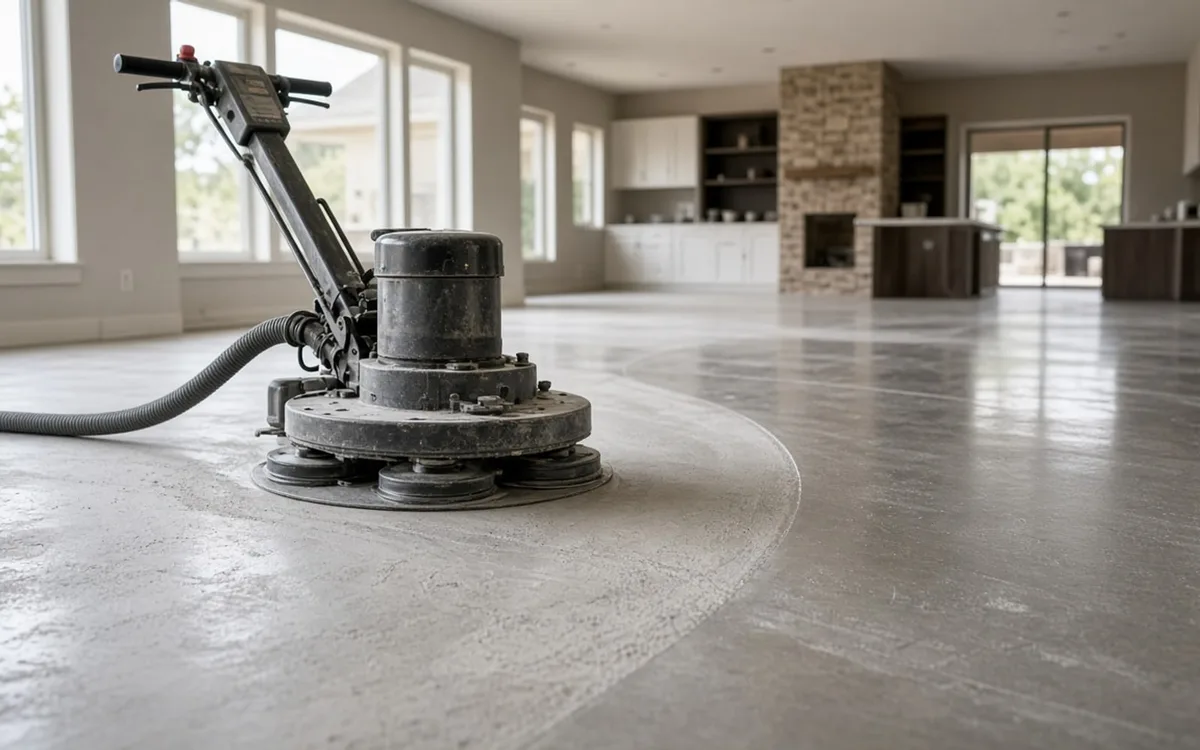
Concrete Finish Notes · Planning articles
This library holds four long-form guides for homeowners weighing a polished, stained, ground or sealed concrete floor. They cover planning around the slab you already have, what the work costs in 2026, how the finish and color options differ, and when permits, dust rules or association approvals apply. Every number names its publisher so you can check it before relying on it.
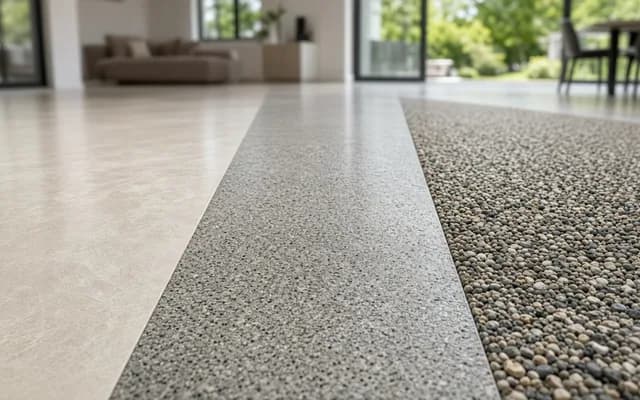 PlanningHow to plan a polished concrete floor, starting with the slab you have
Plan a polished concrete floor in this order: uncover and test a small patch of slab, decide what you will accept in patches and cracks, choose a CPC appearance level and aggregate exposure class, ask for a mock-up on your own floor, then write a one-page brief so every contractor prices the same job.
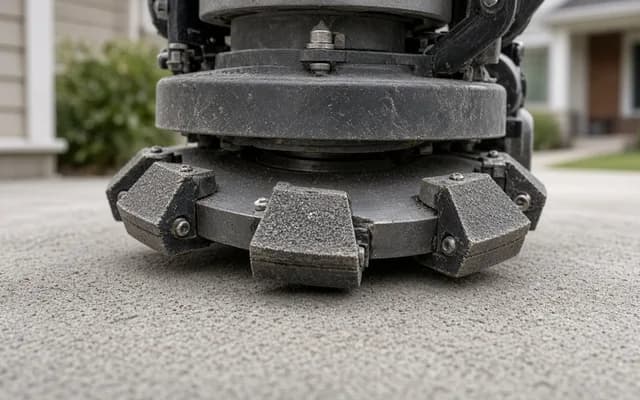 CostsConcrete floor finishing costs in 2026: polish, stain, grind or seal
Finishing an existing concrete floor costs $1 to $3 per square foot to clean and seal, $2 to $5 to grind and seal, $3 to $12 to polish and $3 to $15 to stain, based on HomeGuide, Stelr and Angi.
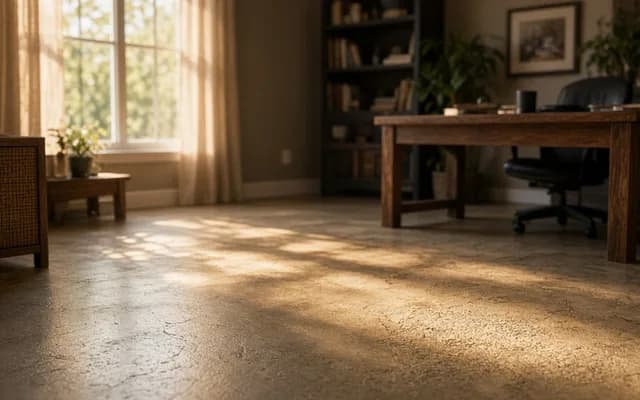 MaterialsConcrete floor finishes and materials: what each product actually does
A concrete floor's finish is built from a short list of materials: diamond tooling that cuts and refines the surface, a silicate densifier that hardens it, optional dye or acid stain for color, a penetrating guard or film-forming sealer for stain protection, and patching or overlay compounds for repairs.
 PermitsPermits, codes and rules for polishing and finishing a concrete floor
Polishing, staining or sealing an existing interior slab is finish work that most jurisdictions do not permit, but rules vary locally.
Most disappointment with a concrete floor starts before any grinder arrives. An owner picks a finish from a photo of a warehouse, collects prices that describe different jobs, and learns about patches, oil ghosts and tack-strip holes only when the floor is already polished. The guides here put those surprises at the front, where they are cheap to deal with, and give you the vocabulary contractors use in their proposals so you can read one without being led by it.
The guides do not sell a product or a contractor. They draw on published cost guides from HomeGuide, Angi, HomeAdvisor and Homewyse, on the Concrete Polishing Council's appearance and exposure charts, on federal housing surveys, and on the slip-resistance standard used for hard floors. Each figure is attributed where it appears. Where no reliable number exists, the guides say so and describe the effect in plain terms instead of inventing a range.
If you have not yet had anyone look at the slab, start with the project planning guide. It walks through uncovering a test patch, deciding on sheen and aggregate exposure, asking for a mock-up, and writing a short brief so that every contractor prices the same floor. The other three guides assume you have at least a rough answer to those planning questions, because the answers change the price, the timeline and the product choices.
If a number is what you need, the 2026 finishing cost guide sets sealing, grind and seal, polishing, staining and leveling side by side, compares polished concrete with hardwood and tile, and shows how to read a line-item bid. The finishes and materials guide compares densifiers, dyes, acid stains, guards and film sealers. The permits guide explains why most polishing needs no permit and which adjacent work does.
Polishing, staining and sealing all work with the concrete that is already there. The Concrete Polishing Council's aggregate exposure chart describes three classes of surface, from cream to coarse stone, and every one of them depends on how the slab was placed and finished years ago. A contractor can choose how deep to grind, but cannot choose what is under the surface. That is why the guides keep returning to the same advice: see a sample on your own floor before signing.
The slab also decides whether a concrete finish is sensible at all. Our analysis of the federal government's 2024 household survey finds 32.4% of occupied homes sit on a slab and 29.5% over a basement, and 53.0% of owner-occupied homes with an attached garage report a slab foundation, so millions of owners have a candidate floor under carpet or tile. Whether that floor is worth polishing depends on moisture, patching, cracks and old adhesive, which is exactly what the planning guide helps you assess.
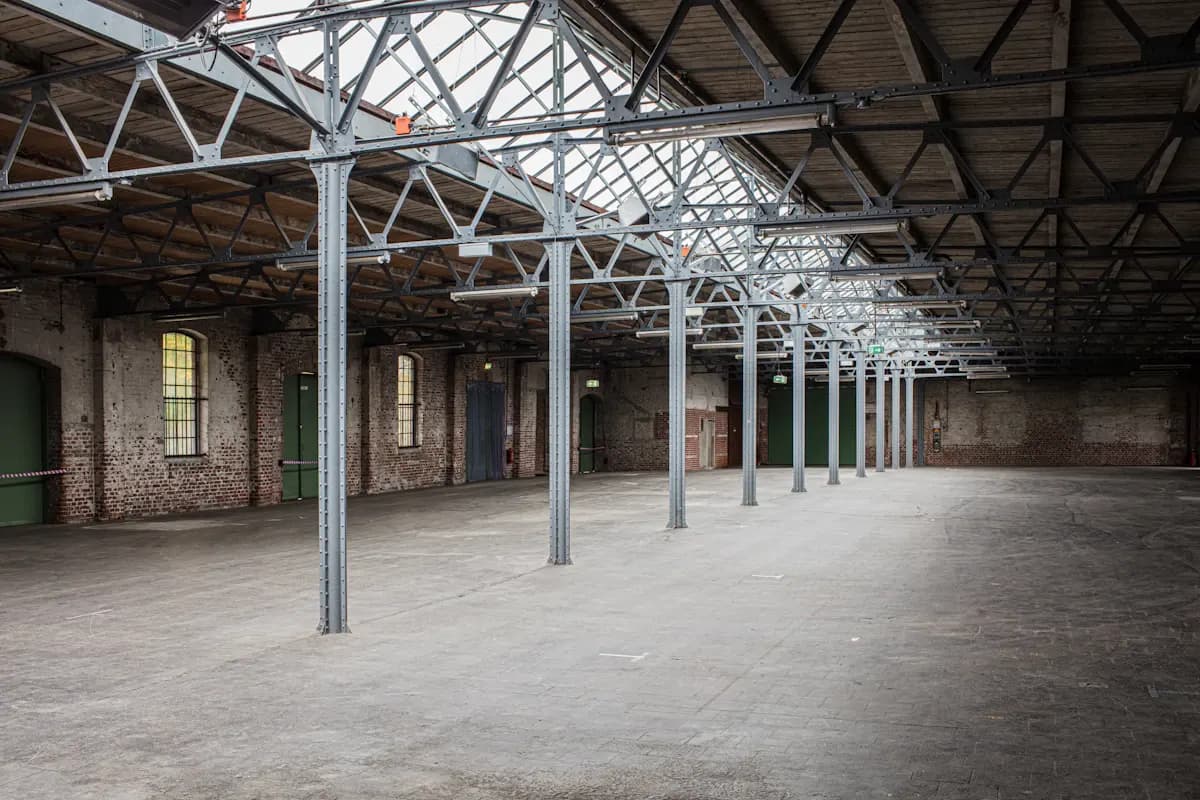
Price ranges come from national consumer cost guides dated between late 2025 and September 2026. HomeGuide, Angi and HomeAdvisor each publish per-square-foot ranges for polishing, and they overlap without matching exactly; Angi places polishing at $3–$12 per sq ft, while HomeAdvisor reports a typical project around $4,500. The guides show more than one publisher where they differ, so you can see the spread rather than a single tidy figure.
None of the publishers visited your house, and all of them note that small floors, basements, heavy coatings and high gloss push prices above their midpoints. Use them to sanity-check a proposal and to spot a bid that is missing a step. Then run your own size and finish through the cost calculator, which applies the same sources to your square footage.
The most common mistake is asking for 'polished concrete' without a sheen level or exposure class. One contractor prices a satin cream finish, another prices a high-gloss salt-and-pepper floor, and the owner compares the totals as if they were the same job. The Concrete Polishing Council's appearance levels exist to prevent exactly this, and the planning guide shows how to name them in a request.
The second mistake is assuming color and protection are free. Dyes, stains and guards are separate line items with their own ranges; Angi's July 2026 flooring guide prices simple designs at $2–$6/square foot and advanced ones at $8–$15/square foot. The materials guide explains when each one earns its cost. The third is skipping the sample area because it adds a day. Owners who answered the site polls about mock-ups show how often that step is still left out, and it is the step that prevents most arguments at the end.
The guides explain the reasoning; the service pages and tools apply it. Each of the four services has its own page and a cost page that renders a price table and calculator, so the guides avoid restating those tables row by row. When a guide mentions grinding passes or overlay patches, it links to the relevant service page rather than repeating the full treatment there.
A practical reading order is planning guide, then the concrete finish quiz to check that the vocabulary stuck, then the cost guide and calculator together, then the comparison page for whichever choice you are stuck on. When you are ready, the contact page lets you describe the floor once and hear from local professionals who price it in writing. There is no obligation, and nothing in these guides depends on you requesting estimates at all.
Homeowner polls
The CPC exposure chart recommends a mock-up on the actual slab.
No votes yet. Yours will be the first. · saved on this device
No votes yet. Yours will be the first. · saved on this device
No votes yet. Yours will be the first. · saved on this device
Homeowners. They assume no trade knowledge and explain terms like DOI, exposure class and surface profile the first time they appear. A contractor may find them useful for seeing what an informed owner will ask, but the depth is pitched at someone reading a proposal rather than running a grinder. Commercial and facility sources appear only where they clarify a residential decision.
The cost figures were checked against their publishers in September 2026 and each carries the year the publisher dated it. National guides update on their own schedules, so a range may move before the next review. If a figure matters to your budget, follow the source link beside it, and treat any published range as a starting point that a written local proposal replaces.
Only as a comparison point. Epoxy, polyaspartic and flake systems cover the slab with a film and have their own trade and cost structure. The guides mention them when an owner is choosing between covering a slab and refining it, and there is a dedicated comparison page for polished concrete against epoxy. Full coating system detail is outside this site's scope.
No. The guides tell you what to look for and what to ask; only someone standing on the slab with a moisture meter, a hardness test and a small grinding patch can tell you what your floor will do. Treat the guides as preparation for that visit, so you recognize a thorough assessment and can spot one that skipped the basics.
Because that is where measured, long-term maintenance numbers for polished concrete exist. Facility operators track cleaning costs per square foot; homeowners do not. The guides use those figures to show direction and scale, such as how polishing compares with a waxed tile program, and say plainly that a house is cleaned with a dust mop and a neutral cleaner rather than an auto-scrubber.
Not a separate one. Garage floors appear throughout, since 42.9% of homes have an attached garage by our analysis of federal survey data: the planning guide covers oil stains and the apron, the cost guide covers small-floor pricing, the materials guide covers guards and slip resistance, and the permits guide covers freeze-thaw and exterior work. Polished versus epoxy is the comparison most garage owners want, and it has its own page.
The guides are written by the site's editorial process from public sources named in each section. No contractor or manufacturer pays to be mentioned, and product names appear only where a published data sheet supplies a figure, such as a densifier's coverage rate. The site earns nothing from which finish you choose.
 Service guideConcrete Polishing
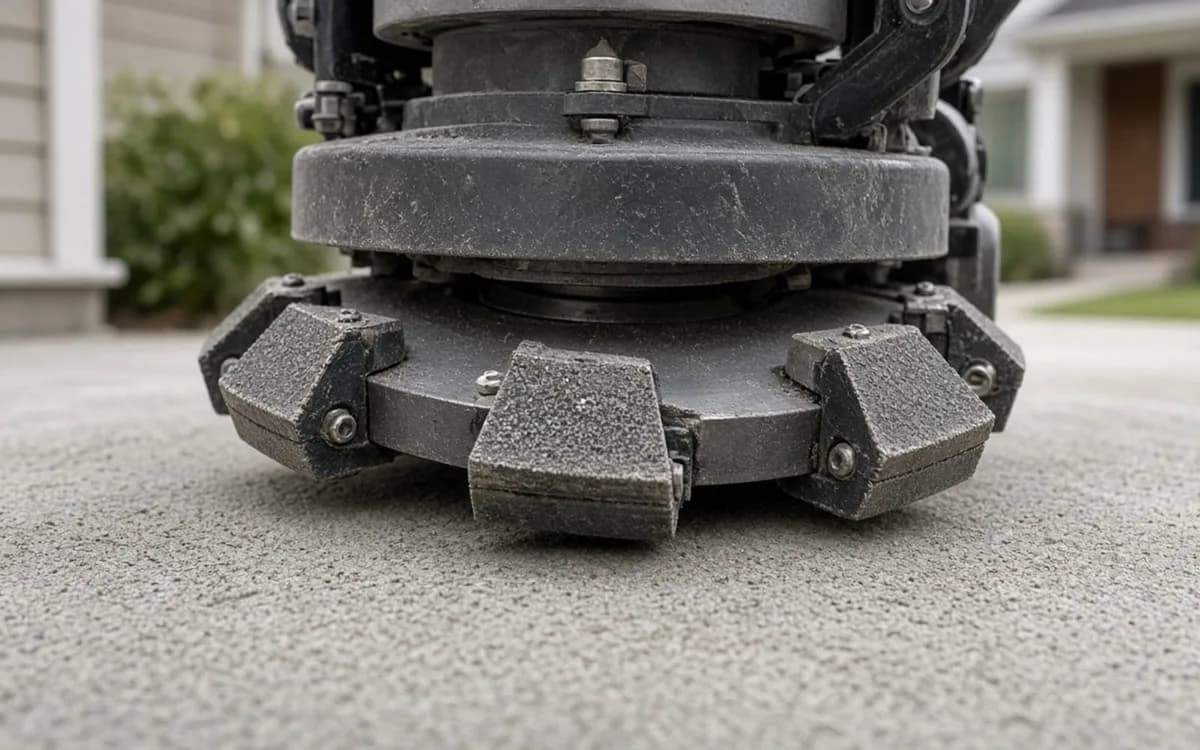
Concrete polishing grinds an existing slab with progressively finer diamond abrasives, hardens it with a densifier and refines it to a specified sheen and aggregate exposure.
 Service guideConcrete Staining & Dyeing
Staining and dyeing add color to a concrete slab by penetrating the surface rather than covering it, so the aggregate, patches and variation remain part of the look.
 Service guideConcrete Grinding & Leveling
Grinding uses coarse diamond tooling to remove coatings, adhesives, lips and high spots and to open a surface profile for whatever finish follows.
 Service guideConcrete Sealing & Protection
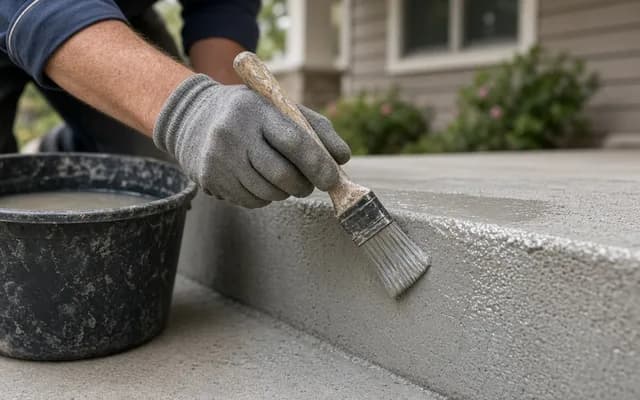
Sealing and protection treatments defend a concrete floor against stains, moisture and wear, and they range from penetrating silicates and siloxanes that leave the look unchanged to film-forming acrylics, urethanes and epoxies that add gloss and a wear layer.
 Free toolPolished concrete cost calculator: a planning range for your square footage
Size, material tier and complexity in, a realistic budget range out.
 Free toolConcrete floor options compared on the numbers
Side-by-side tables for the decisions that change the price most.
 Free toolConcrete finish quiz: can you read a polishing proposal?
9 questions that show what you already know and what to check next.
 Free toolPolls: what other homeowners planning concrete floors decided
See what other planners chose and add your vote.
Tell us the size, the condition of what is there now, and what you want to change. Concrete Finish Notes passes your request to independent local professionals, who reply with written, no-obligation estimates. The service is free to use.