Which sheen level are you choosing or did you choose?
CPC defines the levels by Distinctness of Image; HomeGuide prices matte at $3–$6 and high gloss at $6–$15 per sq ft.
No votes yet. Yours will be the first. · saved on this device
Loading...
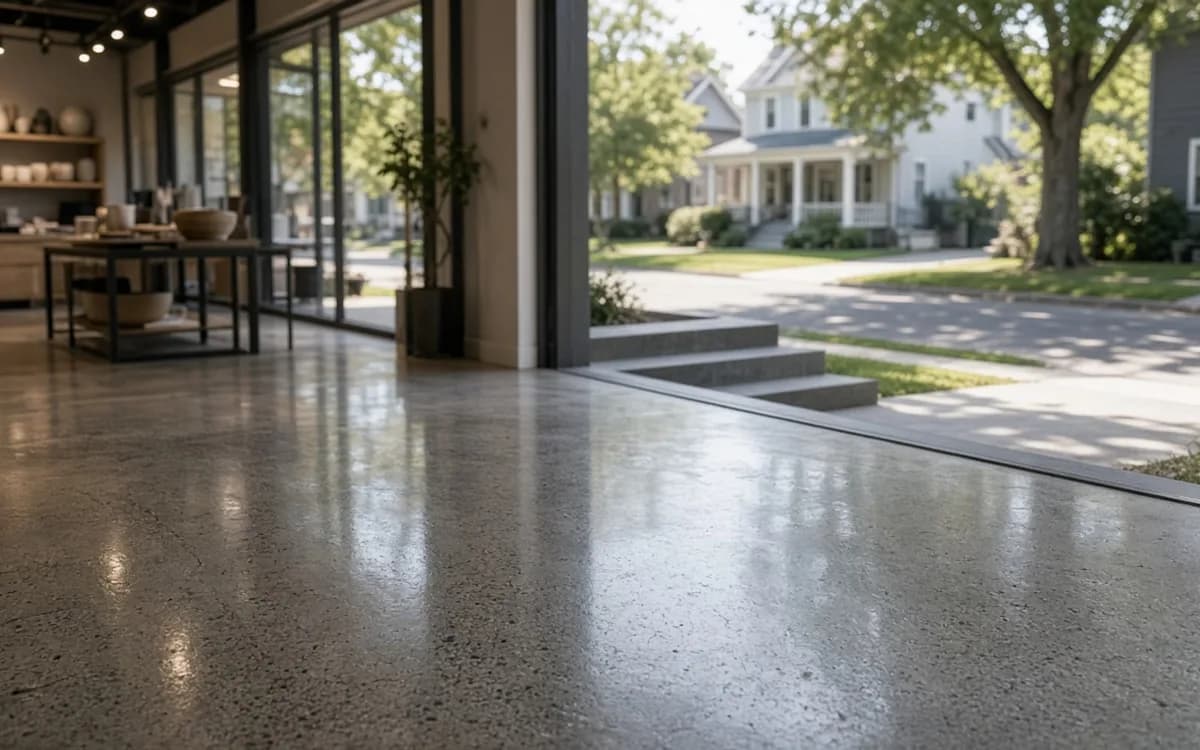
See what your slab can look like before choosing a finish.
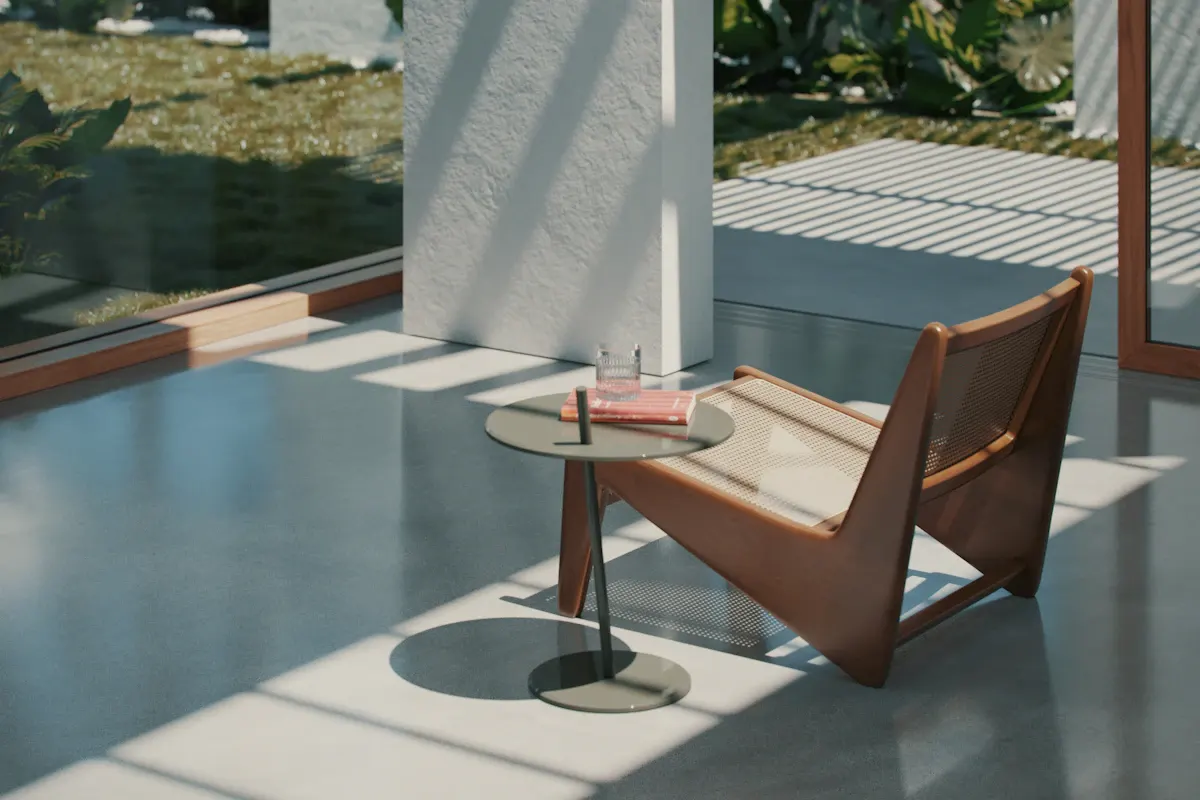
Polishing grinds and densifies an existing concrete slab into a hard, low-maintenance floor whose appearance is set by the slab itself. Angi's 2026 guide prices concrete floor polishing at $3 to $12 per square foot, with gloss level and aggregate exposure as the main drivers. This site explains the finish choices and matches you with local professionals for free written estimates.
By the numbers
Every figure links to its published source.
$3–$12 per sq ft
Angi prices polishing an existing concrete floor at $3 to $12 per square foot
Angi's polishing cost guide describes polishing existing floors; removal of coverings, repairs, design effects and new slab construction are separate scope items. It is the benchmark behind this site's calculator.
Angi cost to polish concrete floors (2026)$3–$6 up to $6–$15
Matte polish $3–$6, low sheen $4–$8, medium gloss $5–$10, high gloss $6–$15 per sq ft
Each step up in gloss adds grinding and polishing steps; HomeGuide's high-gloss range is roughly double matte. Decide on sheen before collecting bids so quotes are comparable.
HomeGuide polished concrete floor cost guide (2026)DOI 0–9 to 70+
The Concrete Polishing Council defines four appearance levels by Distinctness-of-Image (DOI)
CPC's chart: Level 1 flat/ground DOI 0–9, Level 2 satin/honed DOI 10–39, Level 3 polished DOI 40–69, Level 4 highly polished DOI over 70, all with haze under 12. Specify a level so the contract is measurable.
ASCC Concrete Polishing Council appearance chart (2023)2–4 days
Residential polishing up to 2,000 sq ft takes 2 to 4 days; 5,000–10,000 sq ft commercial jobs 1 to 2 weeks
HomeGuide's timeline guidance; repairs, leveling and stain steps extend it.
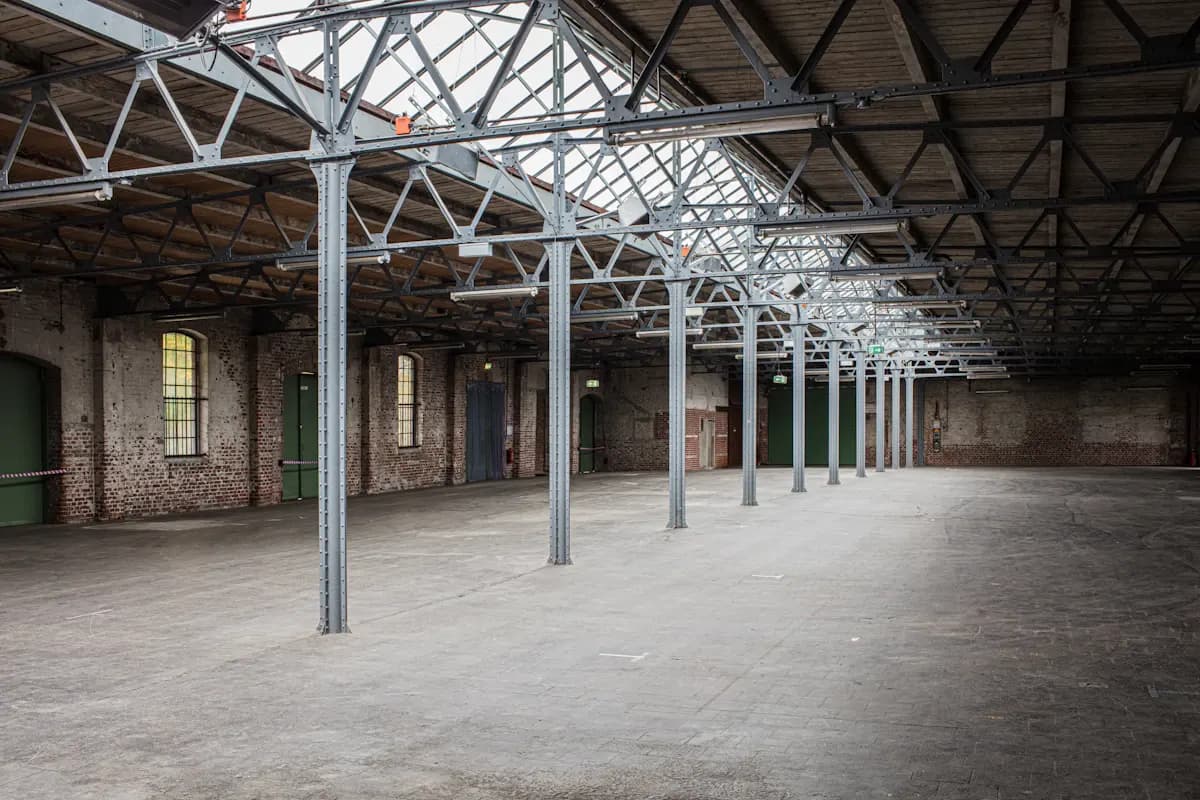
HomeGuide polished concrete floor cost guide (2026)A polished concrete floor is not applied to the slab; it is the slab. Every patch, every crack, every difference in how the concrete was placed thirty years ago becomes part of the finished surface. That makes polishing the most honest floor finish and the one most likely to disappoint an owner who expected a showroom photo. This site starts from the slab rather than the picture.
The numbers are well documented. Angi's July 2026 guide places concrete floor polishing at $3–$12 per sq ft, and HomeGuide's 2026 guide separates matte finishes at $3 to $6 from high gloss at $6 to $15. Within those ranges the price moves with how many grinding passes the slab needs and how much aggregate you want to see. The calculator turns those choices into a planning range; the service pages explain what each choice means on your floor.
Concrete Finish Notes ran these numbers on the federal government's own household data. You won't find them in a contractor's brochure.
Concrete Finish Notes analysis · 2024
95% interval 51.8%–54.3% · about 27.5 million homes · 7,070 survey households
Just over half of homes with an attached garage report a concrete-slab foundation, the surface every coating or polish goes onto. Moisture testing that slab is the step that decides whether a floor lasts.
Source: Concrete Finish Notes analysis of 2024 federal household survey data from the U.S. Energy Information Administration. How we calculated it
Each guide covers what it costs, what fails first, and how to compare written proposals.
 Service guideConcrete Polishing
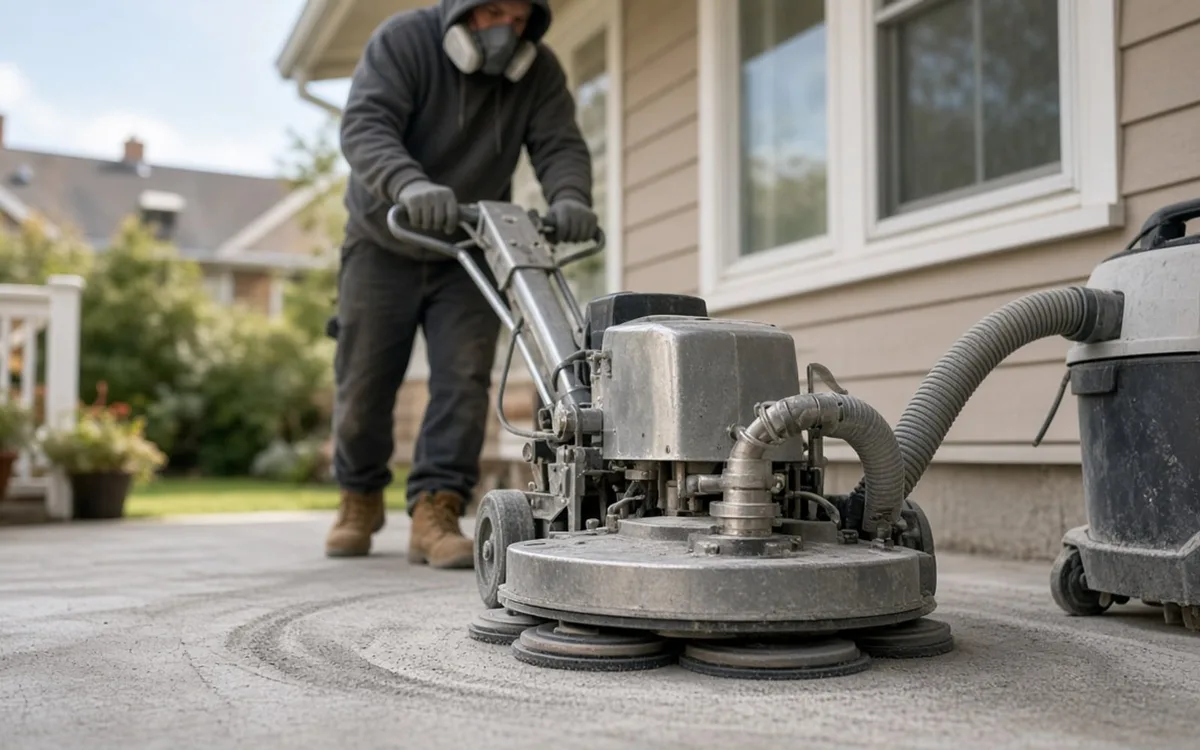
Concrete polishing grinds an existing slab with progressively finer diamond abrasives, hardens it with a densifier and refines it to a specified sheen and aggregate exposure.
 Service guideConcrete Staining & Dyeing
Staining and dyeing add color to a concrete slab by penetrating the surface rather than covering it, so the aggregate, patches and variation remain part of the look.
 Service guideConcrete Grinding & Leveling
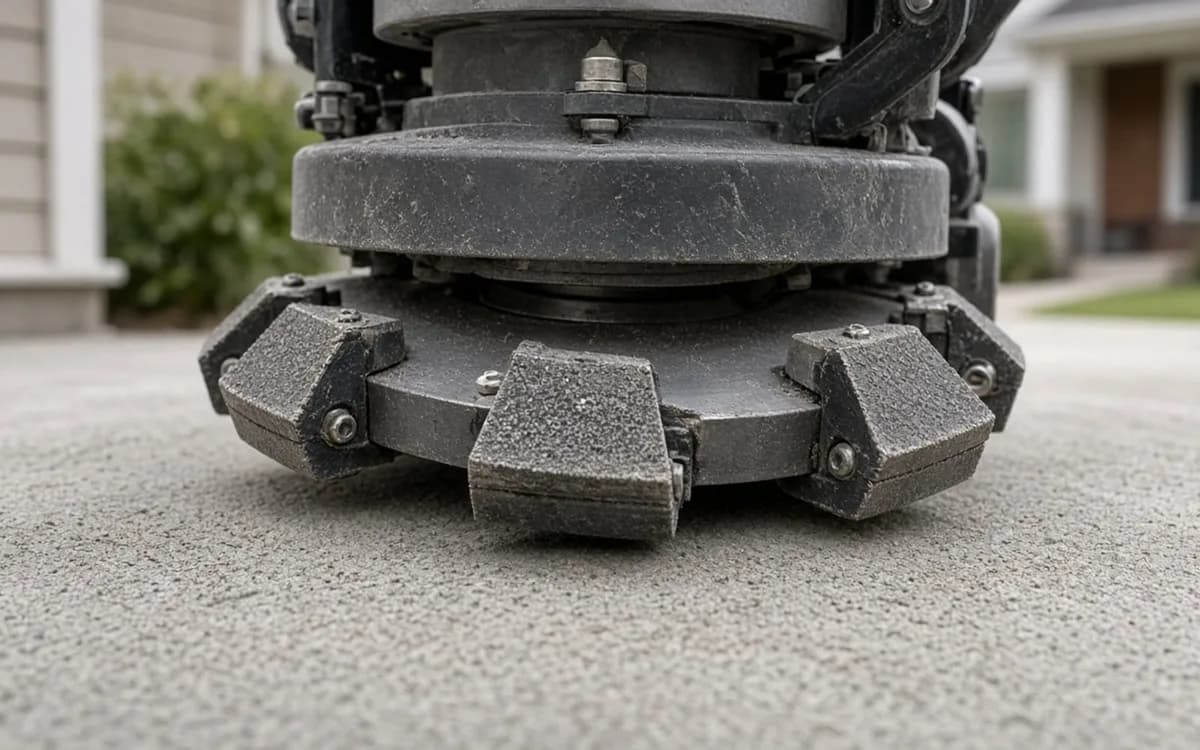
Grinding uses coarse diamond tooling to remove coatings, adhesives, lips and high spots and to open a surface profile for whatever finish follows.
 Service guideConcrete Sealing & Protection
Sealing and protection treatments defend a concrete floor against stains, moisture and wear, and they range from penetrating silicates and siloxanes that leave the look unchanged to film-forming acrylics, urethanes and epoxies that add gloss and a wear layer.
The sources agree on the shape of the range. Angi's polishing guide runs $3–$12 per sq ft for existing floors, and its broader concrete flooring guide spans $2–$16 per sq ft with simple designs at $2–$6/square foot and advanced designs at $8–$15/square foot. HomeGuide's basic polished concrete lands at $3–$12 per sq ft, and HomeAdvisor's June 2026 member data puts the typical project at $4,500. Homewyse's scope sits at $8.26 to $9.77 per square foot for a three-pass grind and two-pass polish.
Gloss is the first driver. HomeGuide prices matte at $3 to $6, low sheen at $4 to $8, medium gloss at $5 to $10 and high gloss at $6 to $15 per square foot, and HomeAdvisor explains why: each additional grinding pass for a higher shine adds $3–$5 per sq ft. Aggregate exposure is the second. A cream finish that barely cuts the surface costs less than a full 'rock cut' that grinds deep enough to show coarse stone, because depth is passes and tooling.
Size is the third and it works against small floors. HomeGuide notes jobs under 1,000 square feet cost $8–$15+ vs $3–$6 per square foot for warehouses, because mobilizing planetary grinders and dust extractors costs the same whether the floor is a basement or a big-box store. Labor is most of the bill. The polishing cost page itemizes it, and the finishing cost guide sets polish against stain and seal.
| Source | Figure | Scope |
|---|---|---|
| Angi, Jul 2026 | $3–$12 per sq ft | Polishing existing floors; design and sheen tiers inside |
| HomeGuide, 2026 | $3–$12 basic; $5–$15+ decorative | 1,000 sq ft floor lands at $7,000–$12,000 |
| HomeAdvisor, Jun 2026 | $4,500 typical, $1,000–$8,000 | Member-reported projects |
| Homewyse, Sep 2026 | $8.26–$9.77 per sq ft | 3-pass grind, densify, 2-pass polish |
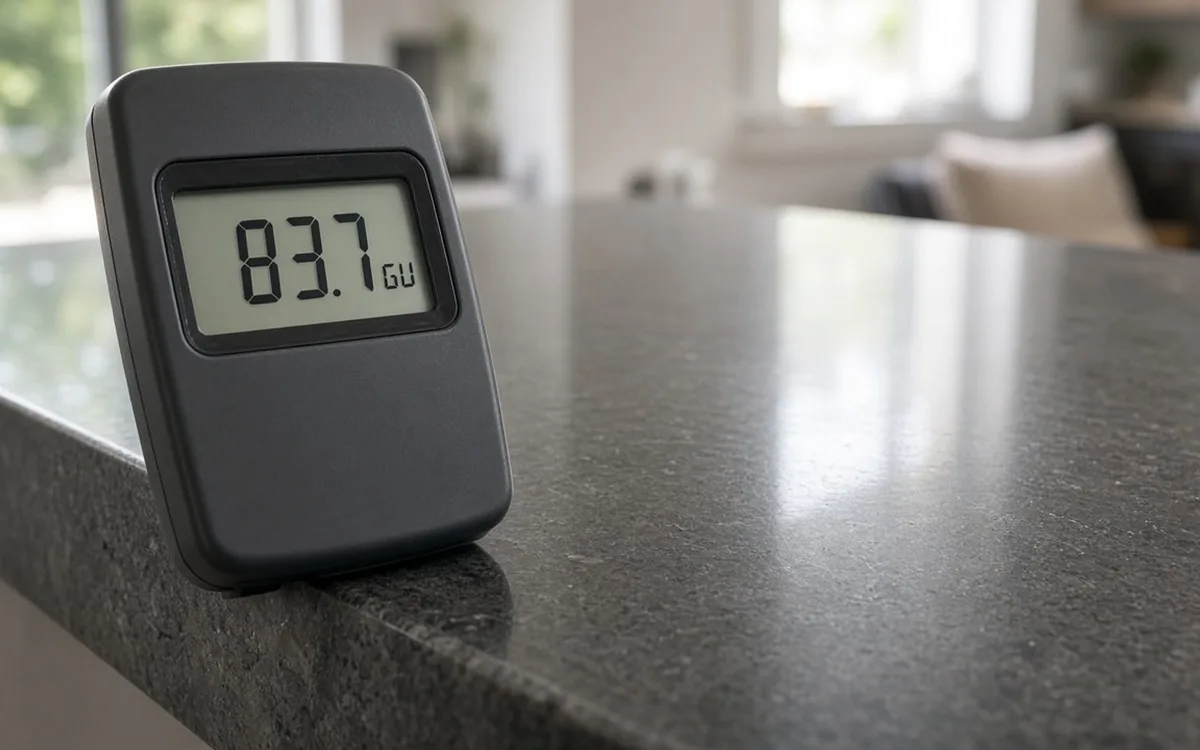
The Concrete Polishing Council of the American Society of Concrete Contractors publishes two charts that turn 'shiny' into numbers. The appearance chart defines four levels by Distinctness of Image: DOI 0–9 to 70+, from flat ground floors at DOI 0 to 9 to highly polished floors above 70, all with haze under 12. Optional 60-degree gloss targets run from under 10 for flat to over 50 for highly polished, measured with a glossmeter per ASTM D4039 before any guard product is applied.
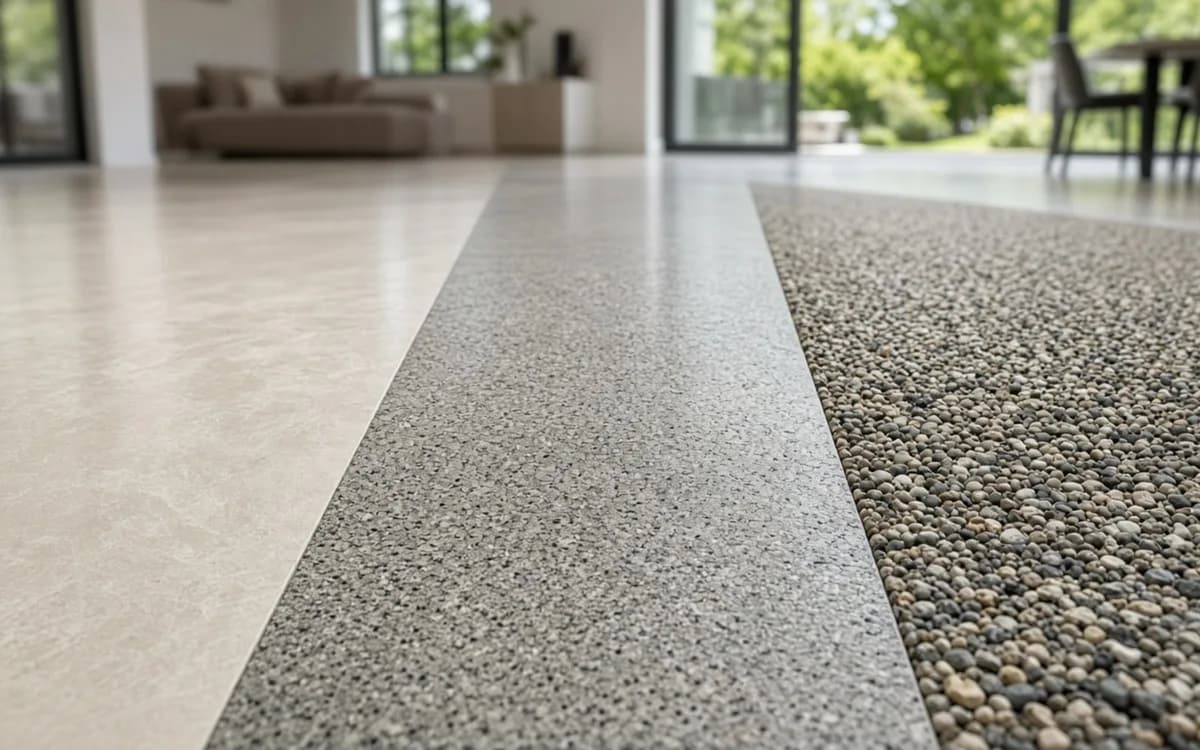
The aggregate exposure chart does the same for depth. CPC defines Class A cream finishes as 85% to 95% cement fines, Class B salt-and-pepper as 85% to 95% fine aggregate, and Class C as 80% to 90% coarse aggregate, evaluated inside a randomly placed 10-by-10-foot square. The chart recommends a mock-up on the actual slab, the most useful sentence in the trade. The polishing service page explains how to write both numbers into a proposal.
Numbers make the contract checkable. CPC's compliance rule calls for 3 tests per 1,000 sq ft using an image clarity meter and a glossmeter. A proposal that says 'Level 3, Class B, verified by meter at closeout' can be tested; one that says 'high-shine salt-and-pepper look' cannot. About 750 companies belong to ASCC, and pros who use these charts will recognize the language.
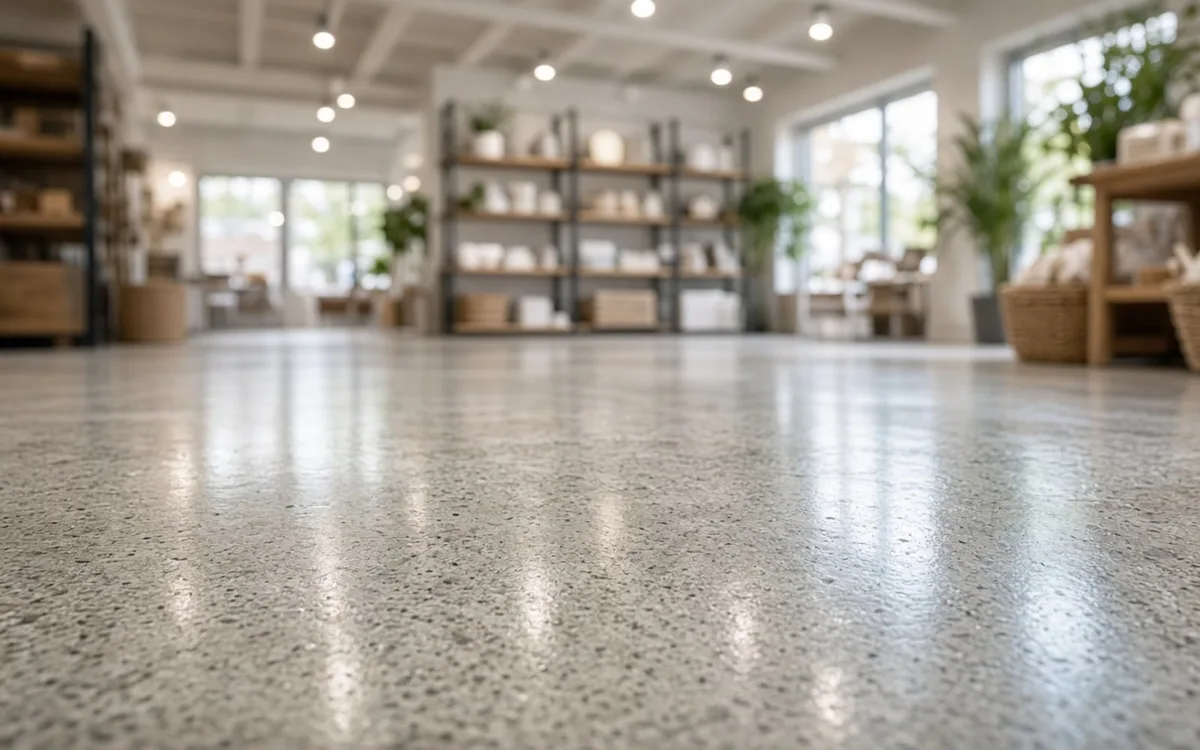
Because your slab is unique. The aggregate in it, the amount of water in the mix, how it was troweled, where it was patched, whether a carpet tack strip was nailed through it: all of those show once the surface is cut. A photograph of another floor tells you what that slab could do. A 10-by-10 mock-up on yours, at the level and class you are considering, tells you what yours will do, and it lets you and the pro record what you are accepting.
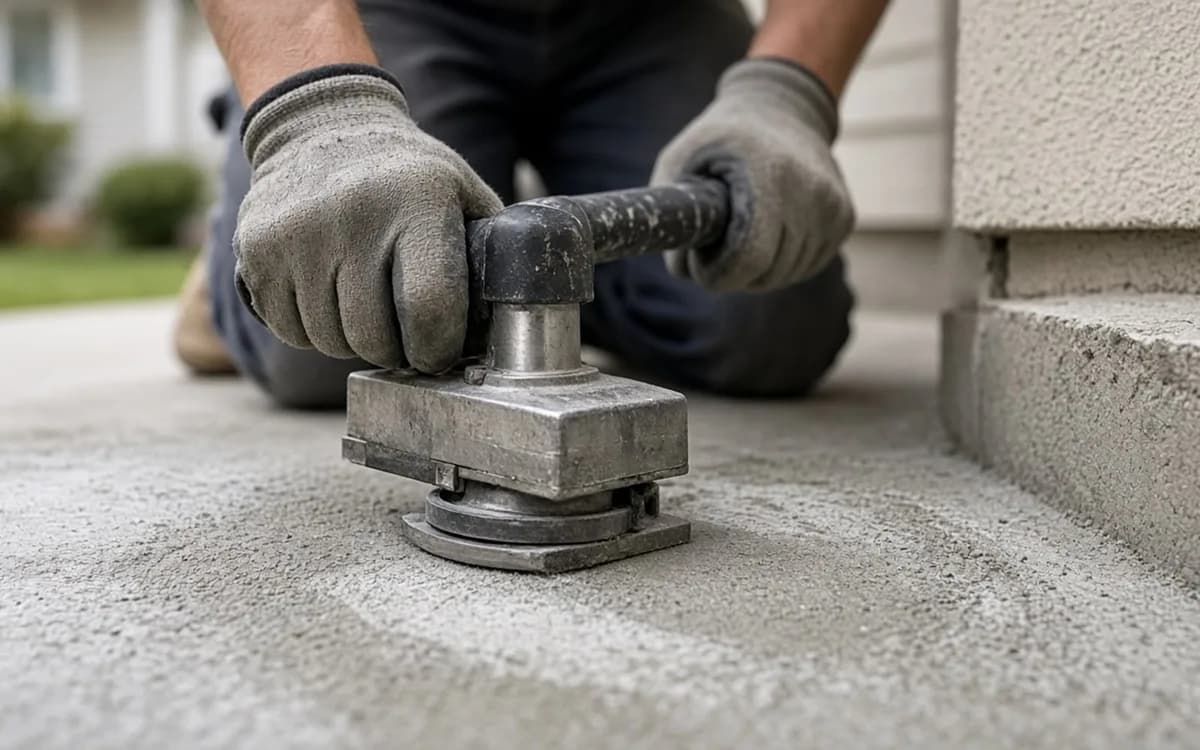
The mock-up also reveals the problem areas early. Old cutback adhesive, mastic, previous coatings or sealers must come off before grinding, and a sample shows how cleanly they release. Cracks and patches will remain visible; a sample shows how visible. Edges near walls are ground by hand with smaller tools and often look slightly different, which is why the grinding page treats edges as a scope item rather than a detail.
Ask for the sample before signing the full scope, or make the full scope conditional on approving it. Renovation of existing slabs is 42.72% of polished concrete work per Mordor Intelligence, and every one of those slabs had a history that a sample would have revealed. The finish quiz helps you decide which level and class to sample.
A full polish suits open living areas, basements, garages, shops and retail floors where a hard, dust-free, reflective surface is wanted and the slab is sound. A honed, lower-sheen finish suits the same spaces for owners who prefer a matte look and less glare; HomeGuide's matte range of $3 to $6 is the least expensive route. Both rely on densifier, which PROSOCO's product data says covers 500–1,000 sq ft/gal and hardens the surface enough to skip a film-forming sealer.
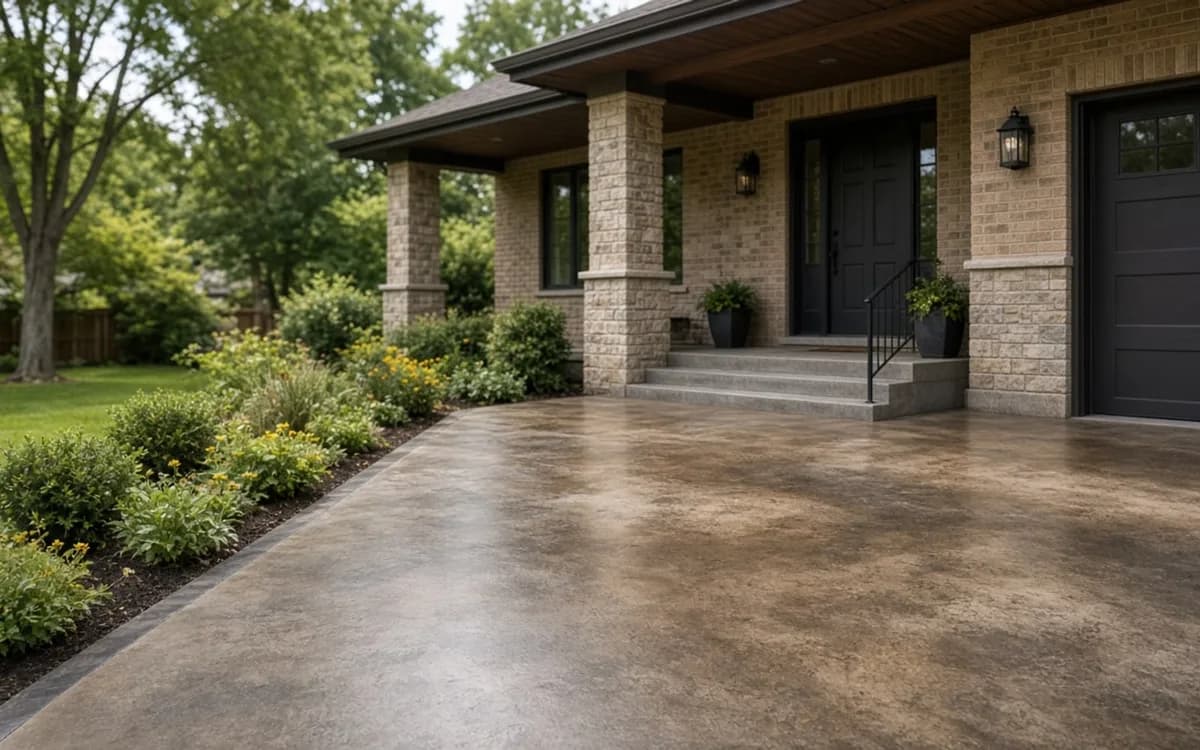
Stain or dye adds color while keeping the concrete's character visible. HomeGuide prices dye on a polished floor at $1 to $3 per square foot and single-color stain at $3 to $5, with complex patterns up to $25. Color depends on absorption, so previous treatments and patches show through differently, and a sample matters even more. Sealing and protection is the right service when the slab will not be polished but still needs stain resistance, or when a polished floor in a kitchen or garage wants a stain guard.
The wrong finish is the one chosen from a picture. A garage with oil-soaked patches will not polish to a uniform Level 4; a slab with a moving crack will not stay uniform after staining. The services overview lists when to skip each service, and the comparison pages set polished against epoxy, stained against dyed, and honed against high gloss on the numbers.
HomeGuide's timeline guidance is 2–4 days, with repairs, leveling and stain steps extending it. Homewyse's basis describes the work: sweep and wash, repair cracks, three grinding passes, densify, two final polishing passes. Each pass covers the whole floor with progressively finer diamonds, so a 1,500-square-foot basement is several days of a grinder moving back and forth, and each additional level of gloss is more passes.
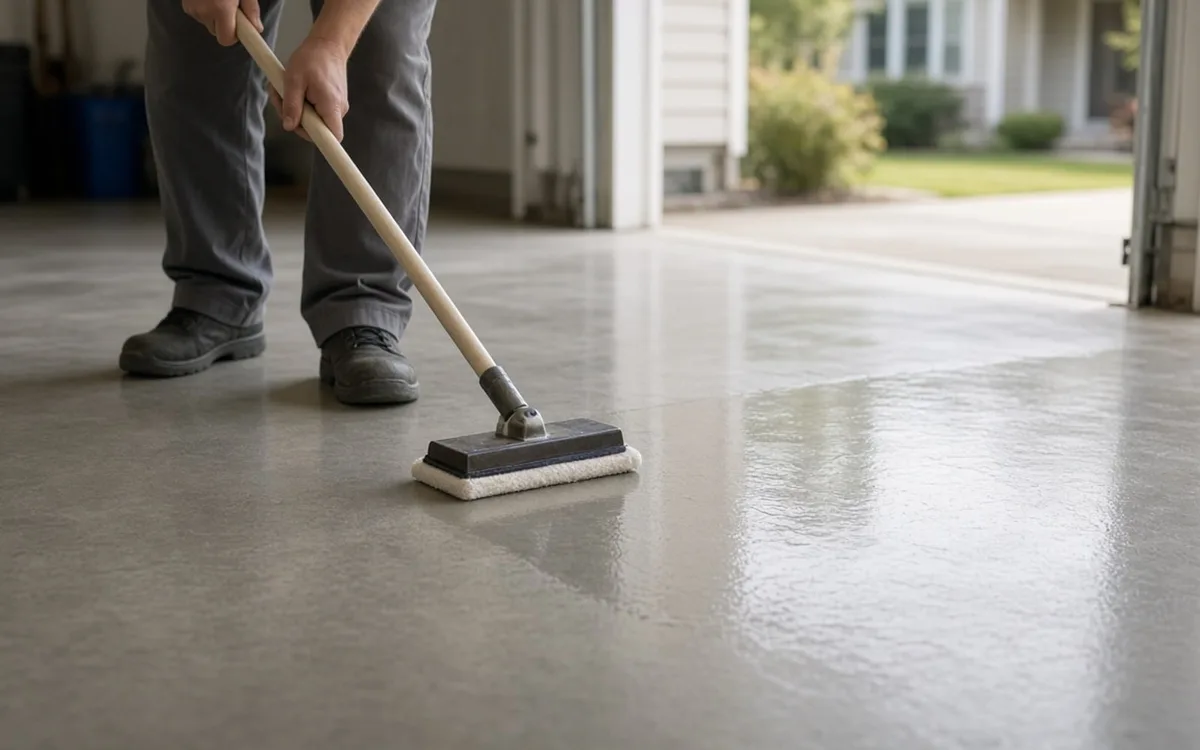
Dust is the main disruption. Dry polishing accounted for 58% of work by method per Mordor Intelligence, and modern dry systems use vacuum extraction to capture most of it, but a sealed-off work area and covered HVAC returns are still standard. Wet grinding produces slurry that must be contained and disposed of. Unlike a coating, there is no cure time; the floor is walkable as soon as the last pass and any guard product dry, usually the same day.
Access adds time and money in basements. HomeGuide notes hard-to-reach basements cost +10% to 30% because planetary grinders weigh hundreds of pounds and edges around a furnace and stairs are hand work. Tell the pro how equipment will get in and out when you request estimates, and read the regional notes on the housing stock where basements dominate.
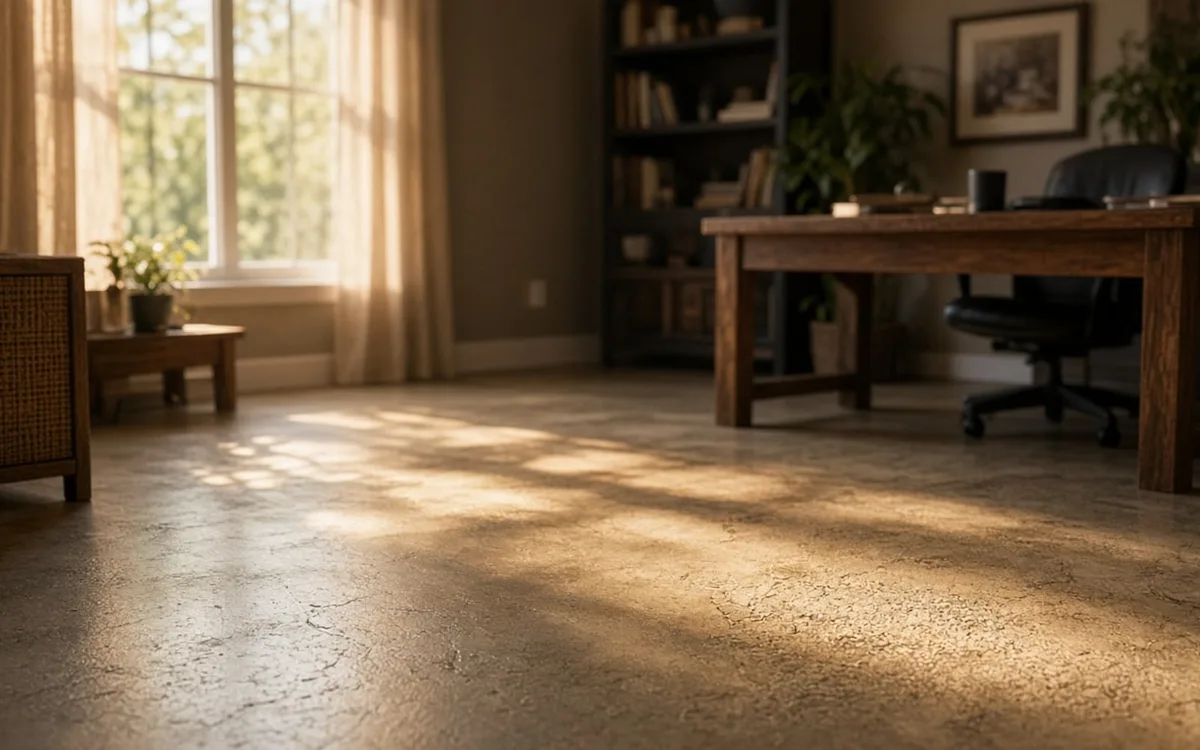
This is where polishing earns its reputation. Millfac's March 2026 facility data puts commercial polished concrete maintenance at $0.18–$0.40 per sq ft/yr, including auto-scrubbing, periodic diamond-pad repolishing and densifier reapplication, against $0.65 to $1.10 for a full vinyl tile strip-and-wax program. Build & Construct's June 2026 analysis reaches a similar conclusion at about $1 per square foot per year for polished concrete versus $2 for VCT, with the higher install cost paid back in roughly two years.
Residential maintenance is simpler still: dust mop, damp mop with a neutral cleaner, and a stain-guard treatment where spills are likely. HomeGuide prices that guard at $1–$3 every 2–5 yrs and notes that true polished concrete does not require a sealer because the densifier hardens it; the guard is for kitchens, garages and high-traffic zones. HomeAdvisor says polished floors last 20 years or more when installed professionally, and the surface can be repolished rather than replaced.
Slip is the maintenance question people forget. ANSI A326.3 sets a minimum wet DCOF of 0.42 wet DCOF for level interior floors expected to be walked on wet, and a high-gloss polished floor should be tested at entries and kitchens. Guard products with slip-resistant formulations exist; the sealing page explains when to specify one.
Research and Markets values the U.S. polished concrete market at $679 million in 2024 within a $2.5 billion global market growing to $3.1 billion by 2030. Mordor Intelligence's 2026 report puts North America at 37% of global revenue and residential projects at 31.89% of demand, with non-residential at 68%. Polishing is primarily commercial, but the residential base is broad: our analysis of the federal government's 2024 household survey found 53.0% of owner-occupied homes with an attached garage also sit on a slab foundation.
For a homeowner that cuts two ways. The commercial base means most metros have experienced polishing contractors with heavy equipment and knowledge of the CPC charts. It also means some of those contractors are set up for 20,000-square-foot warehouses and price a 900-square-foot basement accordingly; HomeGuide's small-job premium is the market telling you so. Ask each pro what share of their work is residential and to show a finished home floor of your slab's age.
Homeowners themselves are cautious right now. Angi's April 2025 pulse survey found 71% of homeowners who hired a pro had postponed a project, and 62% reported more concern about affording maintenance. Polishing's low upkeep is a real answer to that concern, and its cost is worth comparing to the alternatives with the planning tools before deciding.
A usable polishing proposal states the area, what will be removed first, the repairs and how they will look, the CPC appearance level and aggregate class, the number of grinding and polishing passes, the densifier product, the edge method and how close to walls it reaches, the joint and crack treatment, any dye or stain and its sample, the guard product if any, the dust control method, and how the finish will be verified at closeout. It says what the sample area will cost if the full scope is not approved.
Question a proposal that promises uniformity on an existing slab, omits edges and obstructions, describes grinding as a fix for structural movement, or gives a single price with no passes or level named. Question one that skips the sample. And question your own expectations: Houzz's 2026 study found 54% of surveyed homeowners renovated in 2025, and the ones happiest with polished concrete are the ones who chose it for the slab they had rather than the slab in the picture. Vote in the polls to see what other planners prioritized.
Homeowner polls
Vote to see live results from other homeowners planning the same project.
CPC defines the levels by Distinctness of Image; HomeGuide prices matte at $3–$6 and high gloss at $6–$15 per sq ft.
No votes yet. Yours will be the first. · saved on this device
No votes yet. Yours will be the first. · saved on this device
No votes yet. Yours will be the first. · saved on this device
 Free toolPolished concrete cost calculator: a planning range for your square footage
Size, material tier and complexity in, a realistic budget range out.
 Free toolConcrete floor options compared on the numbers
Side-by-side tables for the decisions that change the price most.
 Free toolConcrete finish quiz: can you read a polishing proposal?
9 questions that show what you already know and what to check next.
 Free toolPolls: what other homeowners planning concrete floors decided
See what other planners chose and add your vote.
Most sound slabs can be ground and polished, but the result depends on the concrete. Soft, low-strength or badly patched slabs polish poorly and may need a hardener or an overlay first. Slabs with heavy oil saturation, deep spalling or structural cracks are poor candidates. A pro's site assessment and a sample area answer the question for your floor; a photograph of someone else's does not.
Store floors are usually new slabs placed for polishing, with consistent aggregate and few patches, at CPC Level 3 or 4 with Class B or C exposure. An older residential slab has patches, tack-strip holes and variable aggregate that all show. It can look excellent, but it will look like your slab polished, not like a warehouse. A mock-up sets the expectation before the whole floor is cut.
Polishing mechanically refines the concrete itself with diamond abrasives and hardens it with a densifier; the shine is the concrete, not a film. A sealer or coating is a layer on top that can scratch, wear and need renewal. Polished floors do not need a film sealer, though a penetrating stain guard is common in kitchens and garages. Coatings hide the slab; polishing reveals it.
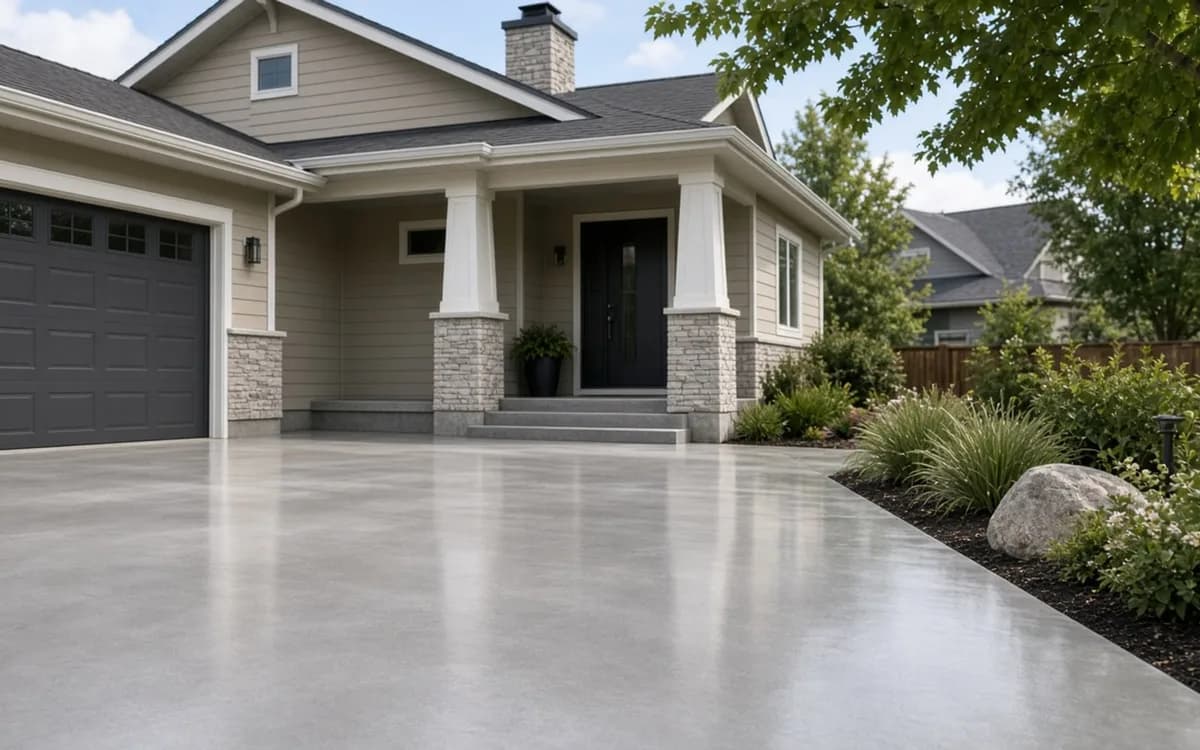
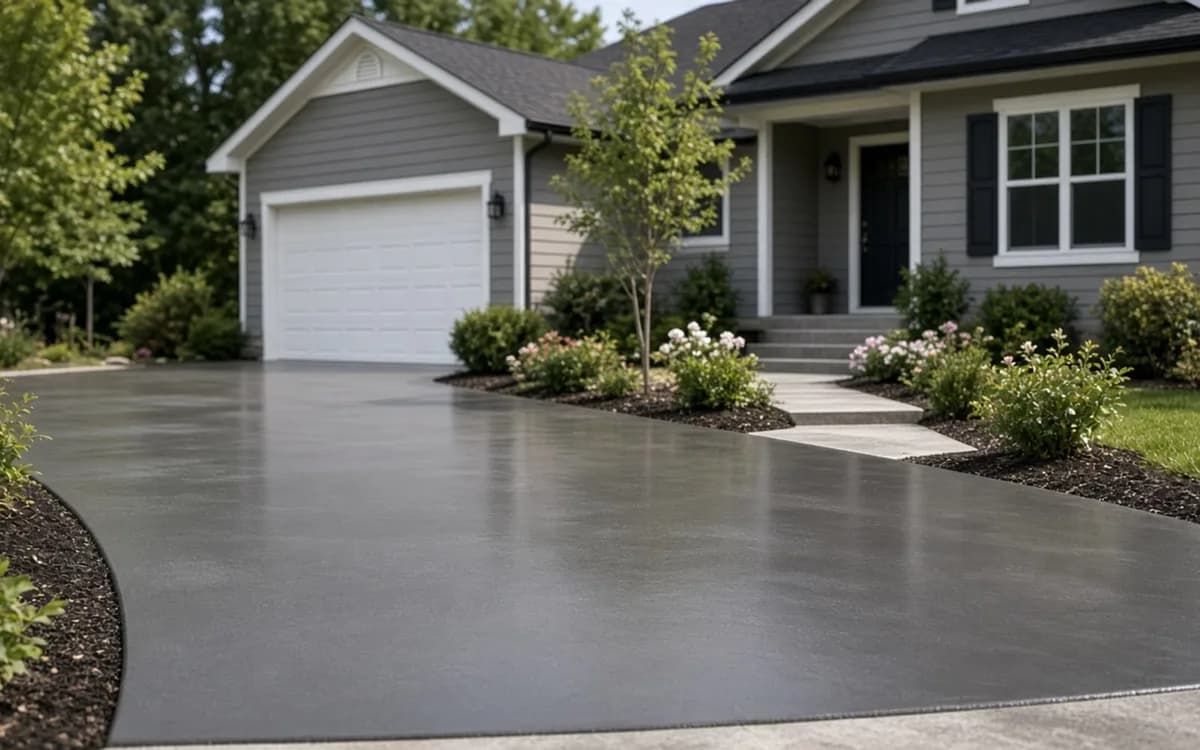
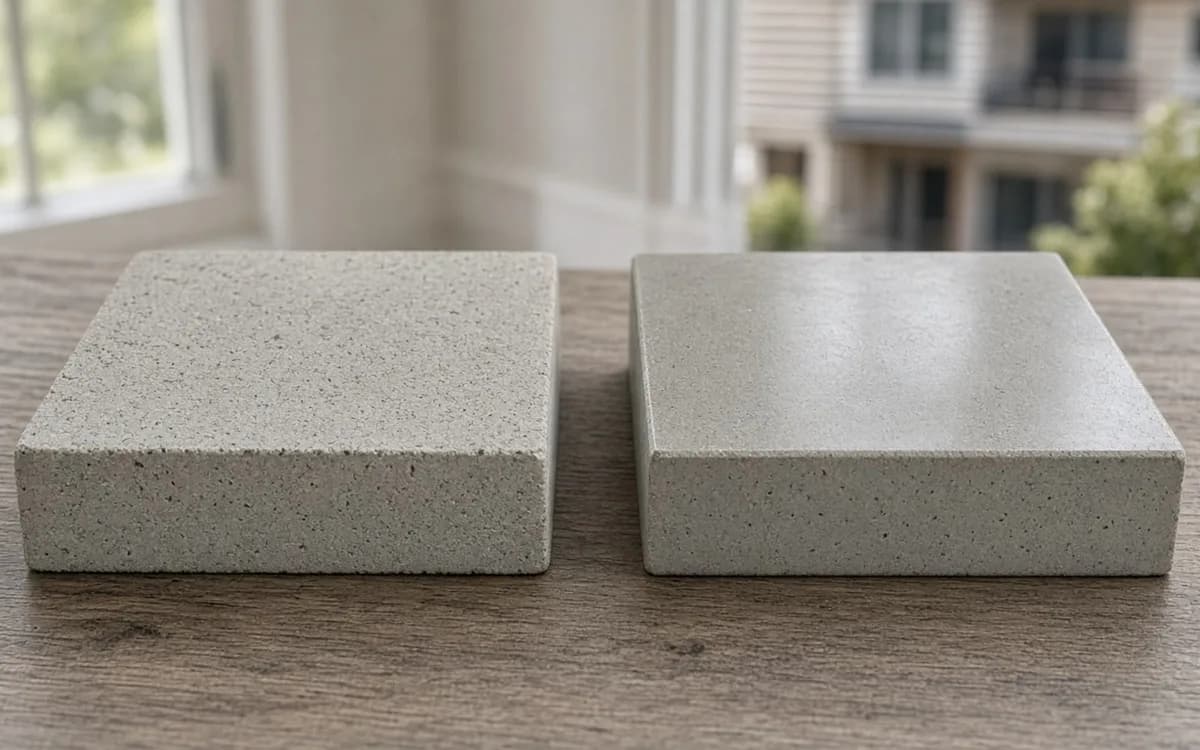
Pick by use and light. Matte and satin (CPC Level 1 to 2) hide scratches and glare and cost less; HomeGuide's matte range is $3 to $6 per square foot. High gloss (Level 4) reflects light dramatically, costs $6 to $15 and shows every scuff. Most homes land at Level 2 or 3. Sample two levels side by side and look at them in the room's actual lighting.
Grinding produces silica dust, and professional dry systems capture most of it with vacuum extraction while wet systems produce slurry. Either way the work area should be sealed, HVAC returns covered and the household kept out. Ask the pro how they control dust and dispose of slurry, and whether they use HEPA-filtered extractors. Dust control is a scope item, not a courtesy.
Almost immediately. There is no cure in the sense of a coating; once the final pass is done and any densifier or guard product has dried, typically within hours, the floor is walkable. Furniture can go back the same day in most cases. This is a real advantage over epoxy, which HomeGuide says needs 16 to 24 hours before foot traffic and days before heavy use.
Yes, with dyes applied during the polishing sequence or stains applied before final passes. HomeGuide prices dye at $1 to $3 per square foot and single-color stain at $3 to $5. Color depends on how the concrete absorbs, so patches, old adhesive and repairs take color differently. A sample on your slab is essential for any colored finish.
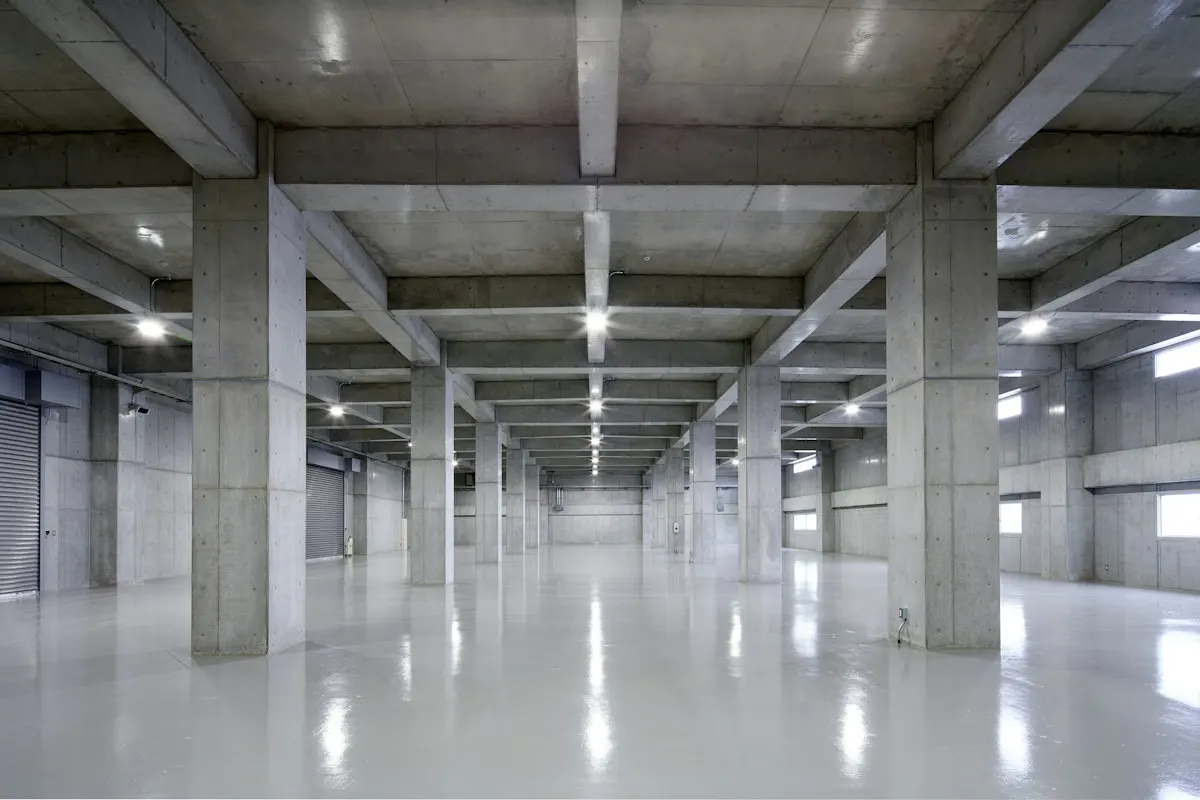

 LocationsRegional planning notes
How climate, codes and prices change a project across U.S. regions.
 ArticlesPlanning articles
Cost guides, checklists and mistakes to avoid before you sign.
 ReviewsHow to read reviews
What genuine contractor reviews look like and what they leave out.
Tell us the size, the condition of what is there now, and what you want to change. Concrete Finish Notes passes your request to independent local professionals, who reply with written, no-obligation estimates. The service is free to use.