What protection are you planning on the finished floor?
No votes yet. Yours will be the first. · saved on this device
Loading...
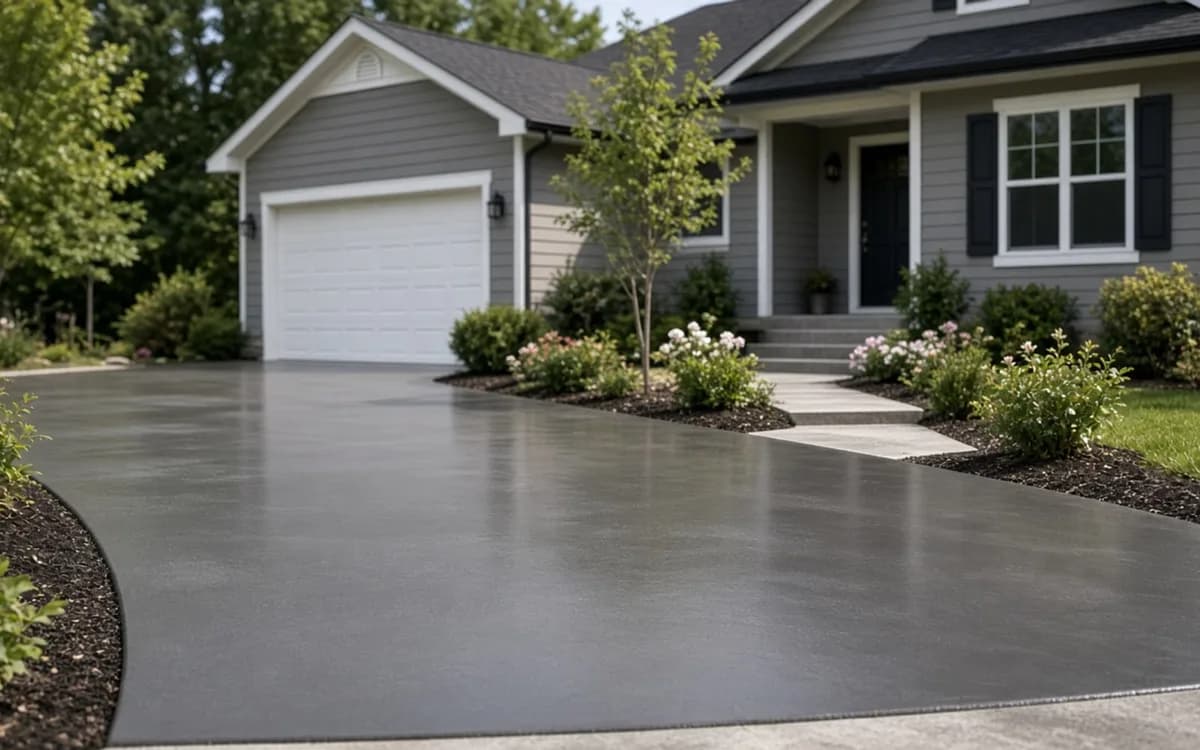
Concrete Finish Notes · Concrete Sealing & Protection cost guide
Cleaning and sealing concrete costs $1 to $3 per square foot in HomeGuide's guide, with urethane, epoxy and polyaspartic sealers up to three times that. A stain guard on a polished floor runs $1 to $3 per square foot and is reapplied every two to five years. Sealer type, surface preparation and recoat frequency drive long-term cost.
Sealing looks like the cheapest part of any concrete floor project, and on the day it often is. The real cost appears over time, because most sealers wear and need renewing. A penetrating guard on a polished floor, a thin acrylic on a basement, and a thick polyaspartic on a garage have very different prices up front and very different recoat cycles.
This page covers per-foot prices by sealer type, project examples, labor and materials, how recoating changes the ten-year cost, and where to save without inviting early failure. It is written for owners sealing a bare or ground slab, protecting a stained floor or adding a guard to a polished one, since the economics differ in each case and the cheapest first price is not always the cheapest floor.
| Item | Low | High | Unit | Notes |
|---|---|---|---|---|
| Clean and seal, penetrating or acrylic | $1 | $3 | per sq ft | HomeGuide 2025 |
| Stain guard on a polished floor | $1 | $3 | per sq ft | HomeGuide 2026; every 2–5 years |
| Sealing add-on on a finished floor | $0.85 | $1.6 | per sq ft | HomeAdvisor 2026 |
| Urethane or polyaspartic sealer | $3 | $9 | per sq ft | HomeGuide: up to 3x a basic seal |
| Seal a 360 sq ft garage floor | $360 | $1,080 | flat | HomeGuide 2025; acrylic or polyurethane |
| Minimum service fee | $150 | $300 | flat | HomeGuide 2025 |
HomeGuide puts cleaning and sealing at $1–$3 per sq ft, covering penetrating and acrylic products. Urethane, epoxy and polyaspartic sealers cost up to three times more. HomeGuide's guard on a polished floor runs $1–$3 every 2–5 yrs. HomeAdvisor adds sealing to a finished floor at $0.85–$1.60 seal; $2–$10 stain. Match the product to the room first, then compare prices within that product family.
Sealer materials cost $30 to $80 per gallon in HomeGuide's guide, with labor at $0.70 to $1.25 per square foot and minimum service fees of $150 to $300. The spread reflects product chemistry and how much preparation the surface needs. Because materials are a larger share of sealing than of polishing, product choice moves the total more noticeably here.
HomeGuide gives $360–$1,080 garage to seal a 360 square foot garage floor with acrylic or polyurethane, and $575 to $1,700 for a two-car driveway. The same driveway with epoxy or polyaspartic runs $1,700 to $5,200. Penetrating silicate or siloxane sealers keep a natural look on garage floors. Those figures assume a clean, sound slab; stripping an old sealer or treating oil adds to them.
Garages see the heaviest wear: hot tires, salt, oil and dropped tools. Our analysis of the federal government's 2024 household survey found 42.9% of homes have an attached garage, from 9.2% with a one-car garage to 6.0% with three or more. Choosing a sealer that matches that exposure matters more than saving a little up front. The sealing service page describes the product families. A sealer that fails early in a garage costs more than the price difference between products, because the failed coat has to come off before the next one goes on.
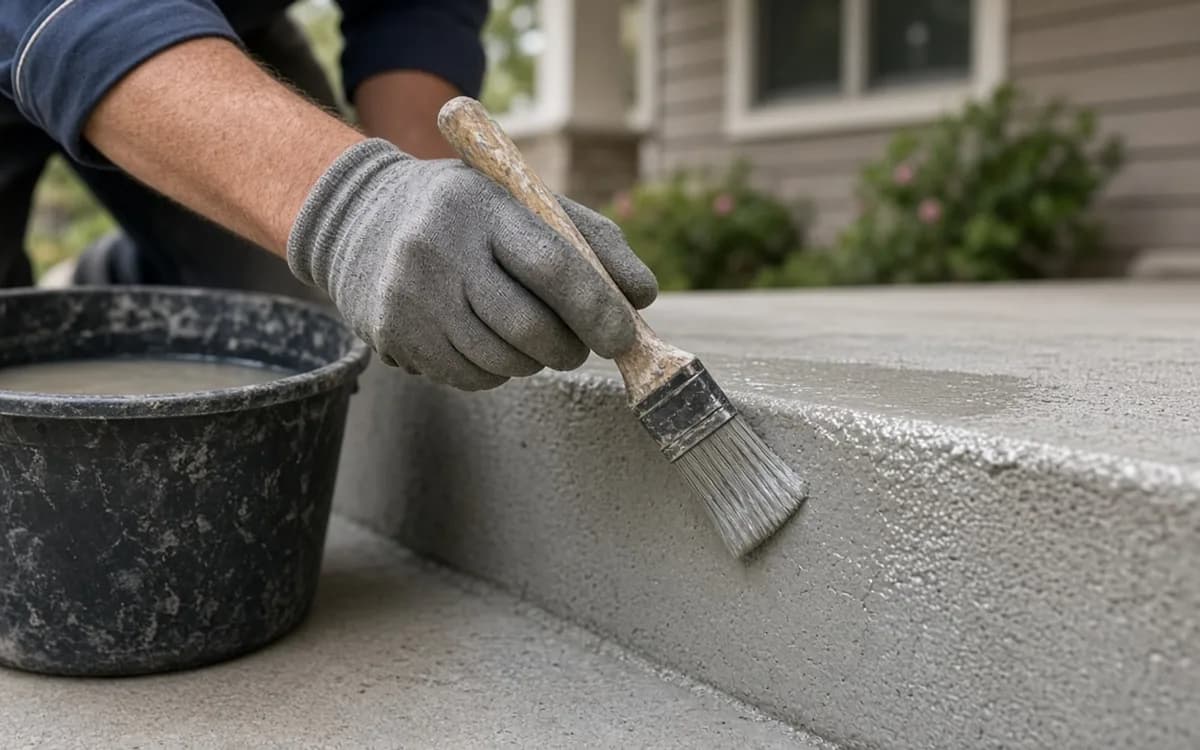
For simple sealing, labor and materials are closer in share than in polishing. Cleaning, stripping old sealer, and light grinding for adhesion add labor. Multi-coat systems add time between coats. HomeGuide's labor figure of $0.70 to $1.25 per square foot applies to basic work; thicker systems cost more. Porous concrete can also absorb more sealer than expected and need an extra coat.
Preparation is the part that most affects durability. Sealing over dirt, oil, or an incompatible old sealer leads to peeling and whitening. Ask what preparation is included and what happens if the old sealer turns out to be incompatible. A test patch of the new product over the old one is a cheap way to avoid that outcome.
Acrylic sealers typically need recoating every one to three years in traffic areas. Urethanes last longer, and penetrating sealers and guards last years with gradual wear. HomeGuide gives two to five years for a guard on a polished floor. Over ten years, a cheap acrylic may be applied several times while a guard is renewed only a few times.
Commercial data shows the long-run effect. Millfac reports polished concrete maintenance at $0.18–$0.40 per sq ft/yr, compared with $0.65 to $1.10 for a full vinyl tile program. Home costs are lower, but the pattern of low-upkeep polished floors versus recurring film maintenance holds, and at home HomeGuide's stain-guard sealer, priced per square foot at $1–$3 every 2–5 yrs, is modest by comparison. For a homeowner, the lesson is to count recoats in the budget rather than looking only at the first application.
Sealing is usually quick to apply, but drying and curing times vary. Acrylics dry quickly; urethanes and polyaspartics need longer before traffic, and garages may be out of use for days. Weather affects outdoor sealing. If your schedule is tight, discuss fast-curing products, which may cost more. Ask how long before furniture, foot traffic and vehicles can return.
Moisture testing adds a step but protects the investment, and basements, 29.5% of homes by the same analysis, are where it matters most. Film sealers over damp slabs can whiten and fail, and stripping a failed film costs more than the original application. Penetrating products are safer where moisture is uncertain because vapor can pass through them. In basements and on older slabs without a known vapor barrier, a test result is worth having before choosing between a film and a penetrating product, even if it adds a short visit to the schedule.
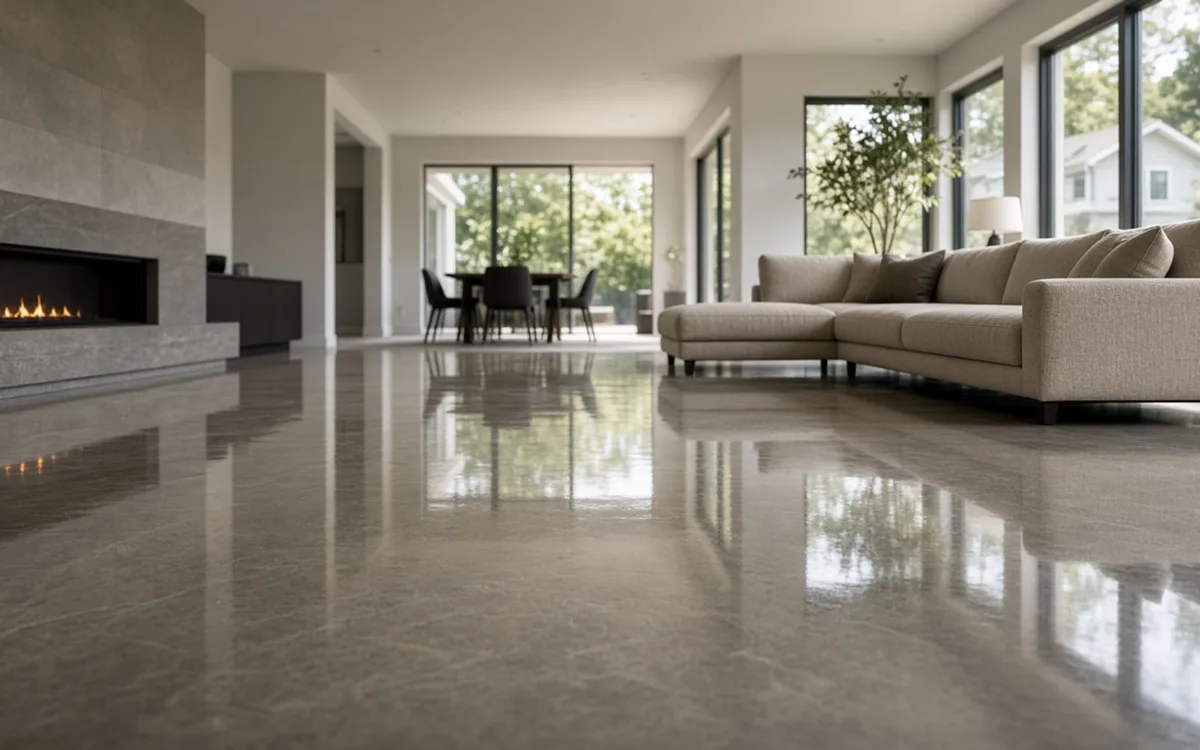
The largest hidden cost is removing what is already there. An old acrylic that has yellowed or peeled must usually be stripped chemically or ground off before a new product will bond, and incompatible sealers cannot simply be layered. If the existing product is unknown, a small test tells the contractor whether the new sealer will adhere. Ask whether stripping is included or priced separately.
Other hidden items include crack and joint filling before sealing, degreasing oil spots in garages, anti-slip additives for wet areas, and extra coats where the concrete is porous and absorbs more product than expected. Multi-day cure times can also mean a return visit. None of these is unreasonable, but each should appear as a line item so you can see what the total covers and compare bids on the same basis.
Room use should drive the product before price does. Basements with uncertain moisture suit penetrating sealers or a guard over a densified floor, since vapor passes through without lifting a film. Polished living areas usually need only a guard. Garages exposed to hot tires, salt and oil justify a tougher urethane or polyaspartic system, and EIA data shows 42.9% of occupied homes have an attached garage, so this is a common decision.
Exterior slabs such as driveways and patios face sun, freeze-thaw and standing water, and they are resealed more often than interior floors. Choosing one product for every space in the house is rarely the cheapest approach over time. Pricing each area with a suitable product usually costs a little more at the start and less over the following years.
Use penetrating sealers or guards where they are enough: basements, bedrooms, low-traffic areas. Save thicker systems for garages and kitchens. Reseal before the old coat fails completely, which avoids stripping; HomeGuide prices sealer at $30 to $80 per gallon with labor at $0.70 to $1.25 per square foot. Keep floors clean to extend sealer life. A simple water-drop test each year tells you when a floor is ready for renewal before wear becomes visible.
Do not skip preparation, moisture testing or product compatibility checks. The grind-and-seal comparison helps if you are weighing sealing against polishing, and the calculator estimates totals. If you are weighing a coating instead, the polished versus epoxy comparison covers that choice, and the estimate form lets local pros price the same scope.
| Example | Specification | Planning range |
|---|---|---|
| 360 sq ft garage | Acrylic or polyurethane | $360–$1,080 |
| 2-car driveway | Acrylic or polyurethane | $575–$1,700 |
| 2-car driveway | Epoxy or polyaspartic | $1,700–$5,200 |
| 1,000 sq ft polished floor | Stain guard | $1,000–$3,000 |
By the numbers
Planning figures from published U.S. sources; every card links to where the number came from.
$1–$3 per sq ft
Concrete cleaning and sealing costs $1 to $3 per sq ft; epoxy or polyaspartic sealers up to 3x more
HomeGuide's November 2025 guide lists sealer at $30–$80 per gallon, labor at $0.70–$1.25 per sq ft, and $150–$300 minimum service fees.
HomeGuide concrete sealing cost guide (2025)$360–$1,080 garage
Sealing a 360 sq ft garage floor costs $360–$1,080; a 2-car driveway $575–$1,700
HomeGuide's project pricing for acrylic or polyurethane sealers; the same driveway with epoxy or polyaspartic runs $1,700 to $5,200. Penetrating silicate or siloxane sealers keep a natural look on garage floors.
HomeGuide concrete sealing cost guide (2025)$1–$3 every 2–5 yrs
A stain-guard sealer on polished concrete costs $1 to $3 per sq ft and is reapplied every 2 to 5 years
HomeGuide notes true polished concrete does not require sealing because densifiers harden the surface, but a stain guard is worth it in kitchens, garages and high-traffic areas.
HomeGuide polished concrete floor cost guide (2026)$0.18–$0.40 per sq ft/yr
Commercial polished concrete maintenance costs $0.18 to $0.40 per sq ft per year vs $0.65–$1.10 for a full VCT program
Millfac's March 2026 facility data includes auto-scrubbing, periodic diamond-pad repolishing and densifier reapplication for polished concrete; VCT strip-and-wax alone is $0.35 to $0.65 per event.
Millfac commercial floor maintenance cost data (2026)The calculator uses the same concrete polishing benchmarks as this guide. Set the size and tier, then request a written estimate to check it against a real proposal.
Homeowner polls
No votes yet. Yours will be the first. · saved on this device
ANSI A326.3 sets a 0.42 wet DCOF minimum for level interior floors walked on wet.
No votes yet. Yours will be the first. · saved on this device
Usually. A guard is renewed after cleaning and burnishing without stripping, while film sealers eventually need stripping or heavy abrasion. HomeGuide's two-to-five-year guard cycle compares favorably with the more frequent recoats many film sealers need in traffic areas. Heavier traffic shortens both cycles.
Setup, travel and product mixing cost the same for small jobs. HomeGuide lists minimum service fees of $150 to $300. For a small area, the minimum may exceed the per-foot calculation. Sealing several areas in one visit spreads that fee.
For film sealers, especially in basements and older slabs, yes. Moisture can cause whitening and peeling. Penetrating sealers tolerate moisture better. A test costs little compared to redoing a failed sealer. In basements many contractors test as standard; ask whether it is included in the price.
It can be for heavy use: it cures quickly, resists hot tires and chemicals better than acrylic, and lasts longer. It costs up to three times a basic seal per HomeGuide. For a lightly used garage, a penetrating sealer may be enough.
Many owners reapply penetrating sealers and guards successfully. Film sealers are less forgiving: they need clean, compatible surfaces and careful application. Follow the product data sheet and test a small area. If an old film is peeling, professional stripping is usually worth the cost before anything new goes on.
Glossy film sealers can reduce wet traction. Anti-slip additives are available. ANSI A326.3's 0.42 wet DCOF minimum applies to interior floors walked on when wet, so ask for an additive or a satin product in wet areas. Ask to see a sample.
It depends on the product and climate. Acrylics may need renewing every few years; penetrating sealers last longer. Salt, sun and traffic shorten intervals. Watch for water no longer beading as a sign it is time. Resealing before the old coat fails completely avoids stripping and keeps costs down.
 Concrete Polishing · Cost guideConcrete polishing cost in 2026: per-foot ranges and sample budgets
Polishing an existing concrete floor costs $3 to $12 per square foot in Angi's 2026 guide, and HomeGuide's figures run from about $3 for a matte cream finish to $15 for high gloss with full aggregate.
 Concrete Staining & Dyeing · Cost guideWhat it costs to stain or dye a concrete floor in 2026
Staining an existing concrete floor runs $3 to $15 per square foot in HomeGuide's 2026 guide, with acid stain up to $25 for high-end designs.
 Concrete Grinding & Leveling · Cost guideConcrete grinding and leveling costs: passes, overlays and lifting
Each grinding pass costs $3 to $5 per square foot in HomeAdvisor's 2026 guide, and HomeGuide puts concrete leveling at $3 to $12 per square foot or $700 to $5,000 per project.
 Service guideConcrete Sealing & Protection
Sealing and protection treatments defend a concrete floor against stains, moisture and wear, and they range from penetrating silicates and siloxanes that leave the look unchanged to film-forming acrylics, urethanes and epoxies that add gloss and a wear layer.
Service guideConcrete PolishingConcrete polishing grinds an existing slab with progressively finer diamond abrasives, hardens it with a densifier and refines it to a specified sheen and aggregate exposure.
Service guideConcrete Staining & DyeingStaining and dyeing add color to a concrete slab by penetrating the surface rather than covering it, so the aggregate, patches and variation remain part of the look.
 Free toolPolished concrete cost calculator: a planning range for your square footage
Size, material tier and complexity in, a realistic budget range out.
 Free toolConcrete floor options compared on the numbers
Side-by-side tables for the decisions that change the price most.
 Free toolConcrete finish quiz: can you read a polishing proposal?
9 questions that show what you already know and what to check next.
 Free toolPolls: what other homeowners planning concrete floors decided
See what other planners chose and add your vote.
Tell us the size, the condition of what is there now, and what you want to change. Concrete Finish Notes passes your request to independent local professionals, who reply with written, no-obligation estimates. The service is free to use.